
መግቢያ አንቀጽ:
Behind every smooth dyeing process and soft fabric finish lies a silent performer — the surfactant.
የተወሰደ አንቀጽ:
Textile and dyeing surfactants are essential chemical agents that control wetting, emulsification, leveling, and dispersion during fiber processing. From scouring to finishing, they ensure even color, smooth texture, and stable performance across all textile stages.

የሽግግር አንቀጽ:
Surfactants are the unsung heroes of the textile industry. This guide explores how they work, their main categories, and how Donghong Chemical’s phosphate ester surfactants are redefining performance and sustainability in modern textile and dyeing operations.
What Are Textile and Dyeing Surfactants?
መግቢያ አንቀጽ:
In textile chemistry, surfactants are the bridge between fiber and chemistry.
የተወሰደ አንቀጽ:
A surfactant (surface-active agent) reduces the surface tension between liquids or between a liquid and a solid, allowing water, oils, and dyes to interact efficiently with fabrics.
Each surfactant molecule has two sides:
- Hydrophilic (water-loving) head group
- Hydrophobic (oil-loving) tail group
This dual structure gives surfactants the power to wet, clean, emulsify, and stabilize textile systems.
Key Roles in Textile Processing:
- Wetting: Enables quick and uniform fabric penetration.
- Scouring: Removes waxes, oils, and impurities.
- Leveling: Ensures even dye absorption and distribution.
- Dispersing: Keeps dye particles evenly suspended.
- Emulsifying: Maintains bath stability in complex chemical mixtures.
- Softening and Finishing: Creates smooth, soft, and antistatic fabric feel.
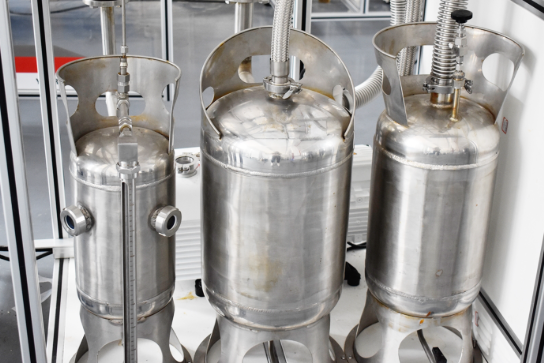
How Surfactants Work in the Textile Dyeing Process
መግቢያ አንቀጽ:
Surfactants aren’t just chemical additives — they’re process enablers that control every step of textile treatment.
የተወሰደ አንቀጽ:
In a typical dyeing line, surfactants adjust the interface between fiber, water, and dye molecules, ensuring that each fiber gets equal exposure and bonding strength.
Step-by-Step Role in Dyeing:
- Pre-Treatment (Scouring & Bleaching):
Removes natural fats, pectins, and wax using anionic or nonionic surfactants (e.g., AEO series). - cURL Too many subrequests.
cURL Too many subrequests.
- cURL Too many subrequests. cURL Too many subrequests.
- cURL Too many subrequests. cURL Too many subrequests.
- cURL Too many subrequests.
cURL Too many subrequests.
Result:
cURL Too many subrequests.
cURL Too many subrequests.
መግቢያ አንቀጽ:
cURL Too many subrequests.
የተወሰደ አንቀጽ:
cURL Too many subrequests. cURL Too many subrequests., cURL Too many subrequests.
| ይወክላል እና | cURL Too many subrequests. | ተግባር | ተለመዱ አጠቃላይ እንቅስቃሴ | cURL Too many subrequests. |
|---|---|---|---|---|
| cURL Too many subrequests. | cURL Too many subrequests. | cURL Too many subrequests. | Cotton, wool dyeing | AEO-3, NP-10 phosphate esters |
| Nonionic | None | Emulsifying, dispersing | Synthetic fibers, finishing | Fatty alcohol ethoxylates |
| Cationic | Positive | Softening, antistatic finishing | Acrylic fibers, softeners | Quaternary ammonium compounds |
| Amphoteric | Dual (positive/negative) | Foam control, pH stability | Dyeing under variable pH | Betaine-type surfactants |
Most Preferred for Industrial Dyeing:
Phosphate ester surfactants — they combine anionic and nonionic properties, delivering excellent wetting, leveling, and emulsification even under harsh chemical conditions.
Phosphate Ester Surfactants: The Backbone of Modern Textile Chemistry
መግቢያ አንቀጽ:
Among all surfactant families, ፎስፌት ኤስተር stand out for their durability, versatility, and safety.
የተወሰደ አንቀጽ:
They are formed by reacting ፎስፎሪክ አሲድ with ethoxylated alcohols or nonylphenols, creating an amphiphilic molecule ideal for textile use. Their strong phosphate bond provides excellent acid–alkali resistance, thermal stability, and metal affinity.
Why Phosphate Esters Excel in Textile Applications:
- Superior Wetting: Rapid penetration even in cold water.
- Excellent Leveling: Reduces streaks and patchy dyeing.
- Low Foaming: Ideal for jet and overflow dyeing machines.
- Stable Under Harsh Conditions: Performs under high temperature and variable pH.
- Biodegradable and APEO-Free: Eco-friendly alternative to traditional surfactants.
Donghong Chemical’s Key Textile-Grade Phosphate Esters:
| ምርት | ተግባር | pH Range | cURL Too many subrequests. | አፕሊኬሽን |
|---|---|---|---|---|
| AEO-3 Phosphate Ester | Wetting, emulsifying | 1–7 | cURL Too many subrequests. | cURL Too many subrequests. |
| NP-10 Phosphate Ester | cURL Too many subrequests. | cURL Too many subrequests. | cURL Too many subrequests. | cURL Too many subrequests. |
| P204 (2-Ethylhexyl ፎስፌት) | cURL Too many subrequests. | cURL Too many subrequests. | 90+ | cURL Too many subrequests. |
cURL Too many subrequests.
መግቢያ አንቀጽ:
cURL Too many subrequests.
የተወሰደ አንቀጽ:
cURL Too many subrequests.
cURL Too many subrequests.
- cURL Too many subrequests. cURL Too many subrequests.
- cURL Too many subrequests. cURL Too many subrequests.
- cURL Too many subrequests. cURL Too many subrequests.
- Stable Under Variable pH: Works from acidic pre-treatment to alkaline scouring baths.
- Reduced Foam Formation: Safer operation in high-speed dyeing machines.
In Practice:
A 0.5–1.0% dosage of AEO-3 or NP-10 phosphate ester in the dye bath ensures smooth and consistent color yield across cotton, polyester, and blended fabrics.
Environmental and Safety Advantages
መግቢያ አንቀጽ:
Sustainability is no longer optional — and modern surfactants must meet global safety and biodegradability standards.
የተወሰደ አንቀጽ:
Phosphate ester surfactants combine high performance with low environmental impact, helping textile mills comply with REACH, RoHS, and OEKO-TEX® cURL Too many subrequests.
Eco and Safety Features:
- Biodegradability ≥90% (OECD 301 test).
- APEO-free and non-toxic formulations.
- Low VOC and odor-free.
- Safe for both operators and effluent systems.
Donghong Chemical’s Environmental Commitment:
- cURL Too many subrequests.
- cURL Too many subrequests.
- ISO14001-certified green production system.
Practical Guidelines for Surfactant Use in Dyeing
| Application Step | Recommended Product | Dosage (% on bath weight) | ተግባር |
|---|---|---|---|
| Scouring | AEO-3 Phosphate Ester | 0.5–1.0 | Wetting, emulsifying oils |
| Dyeing | NP-10 Phosphate Ester | 0.3–0.8 | Leveling, dispersion |
| Post-Washing | AEO-3 or NP-10 | 0.2–0.5 | Removing unfixed dye |
| Finishing | Phosphate Ester + Silicone Emulsifier | 0.5–1.0 | Stabilizing softener emulsions |
Usage Tips:
- Always pre-dissolve surfactants in water for uniform distribution.
- Maintain bath pH between cURL Too many subrequests. cURL Too many subrequests.
- cURL Too many subrequests.
cURL Too many subrequests. cURL Too many subrequests.
cURL Too many subrequests.
Donghong Chemical (Guangdong, China) cURL Too many subrequests. cURL Too many subrequests., cURL Too many subrequests. cURL Too many subrequests. cURL Too many subrequests.
cURL Too many subrequests.
- 20,000-ton annual production capacity.
- cURL Too many subrequests.
- cURL Too many subrequests.
- cURL Too many subrequests.
cURL Too many subrequests.
- cURL Too many subrequests. cURL Too many subrequests.
- cURL Too many subrequests. Leveling & dispersing agent.
- cURL Too many subrequests. Acidic phosphate ester for special fiber coatings.
- TEP / TBP / TOP: Neutral esters for finishing and softener emulsification.
Export Destinations:
Europe, Southeast Asia, Turkey, South America, and Africa.
Conclusion: The Chemistry Behind Perfect Textiles
Surfactants are the invisible backbone of modern textile production.
By controlling wetting, dispersion, and emulsification, they transform dyeing from a manual art into a precise science.
Phosphate ester surfactants — such as AEO-3 እና NP-10 — combine performance, safety, and eco-compliance, helping mills achieve vivid color, soft hand feel, and process stability.
With Donghong Chemical’s high-purity surfactants, textile manufacturers worldwide gain the chemistry, consistency, and confidence to produce premium fabrics sustainably.
For bulk orders or formulation support:
📧 Email: dohollchemical@gmail.com
📱 WhatsApp: +86 139 0301 4781
Donghong Chemical — Global supplier of phosphate esters and surfactants for textile, dyeing, and coating industries, delivering performance with environmental responsibility.
 Amharic
  English (United States)
  Russian
  German
  Turkish
  Spanish (Spain)
  Arabic
  French
  Vietnamese
  Indonesian
  Danish
  Japanese
  Bengali
  Greek
Greek  Tahitian
  Uzbek
Uzbek  English (Canada)
  Afrikaans
  Spanish (Venezuela)
  Bulgarian
  Assamese
  Tibetan
  Cebuano
  South Azerbaijani
  Belarusian
  Czech
Czech  Spanish (Argentina)
  Catalan
  Italian
  Moroccan Arabic
  German (Austria)
  Spanish (Chile)
  Ukrainian