
መግቢያ አንቀጽ:
In today’s manufacturing world, sustainability and safety go hand in hand — especially when it comes to managing industrial chemicals.
የተወሰደ አንቀጽ:
Recycling and reusing industrial chemicals safely requires proper segregation, purification, neutralization, and monitoring. With structured recovery systems and strict handling protocols, companies can cut costs, reduce waste, and protect the environment.

የሽግግር አንቀጽ:
Industrial chemicals — from solvents and surfactants to phosphate esters — are essential for modern production. But without safe recycling systems, they can create pollution and financial waste. This guide explains practical methods to recycle, purify, and reuse them safely in industries like coatings, textiles, and chemical processing.
Why Chemical Recycling Matters
መግቢያ አንቀጽ:
Every drop of industrial chemical comes with a cost — economic and environmental.
የተወሰደ አንቀጽ:
Recycling chemicals reduces waste generation, saves raw materials, and supports compliance with ISO14001 እና green manufacturing standards. For companies using large quantities of surfactants or phosphate esters, proper recycling can reduce chemical costs by 20–40% annually.
Key Benefits:
- Environmental Protection: Prevents water and soil contamination.
- Cost Savings: Reduces demand for virgin chemicals.
- Safety Compliance: Meets environmental regulations and sustainability goals.
- Circular Economy: Encourages material recovery and reuse.
Example:
Donghong Chemical’s vacuum esterification and solvent recovery systems recycle over 95% of process solvents, ensuring zero liquid discharge and high production efficiency.
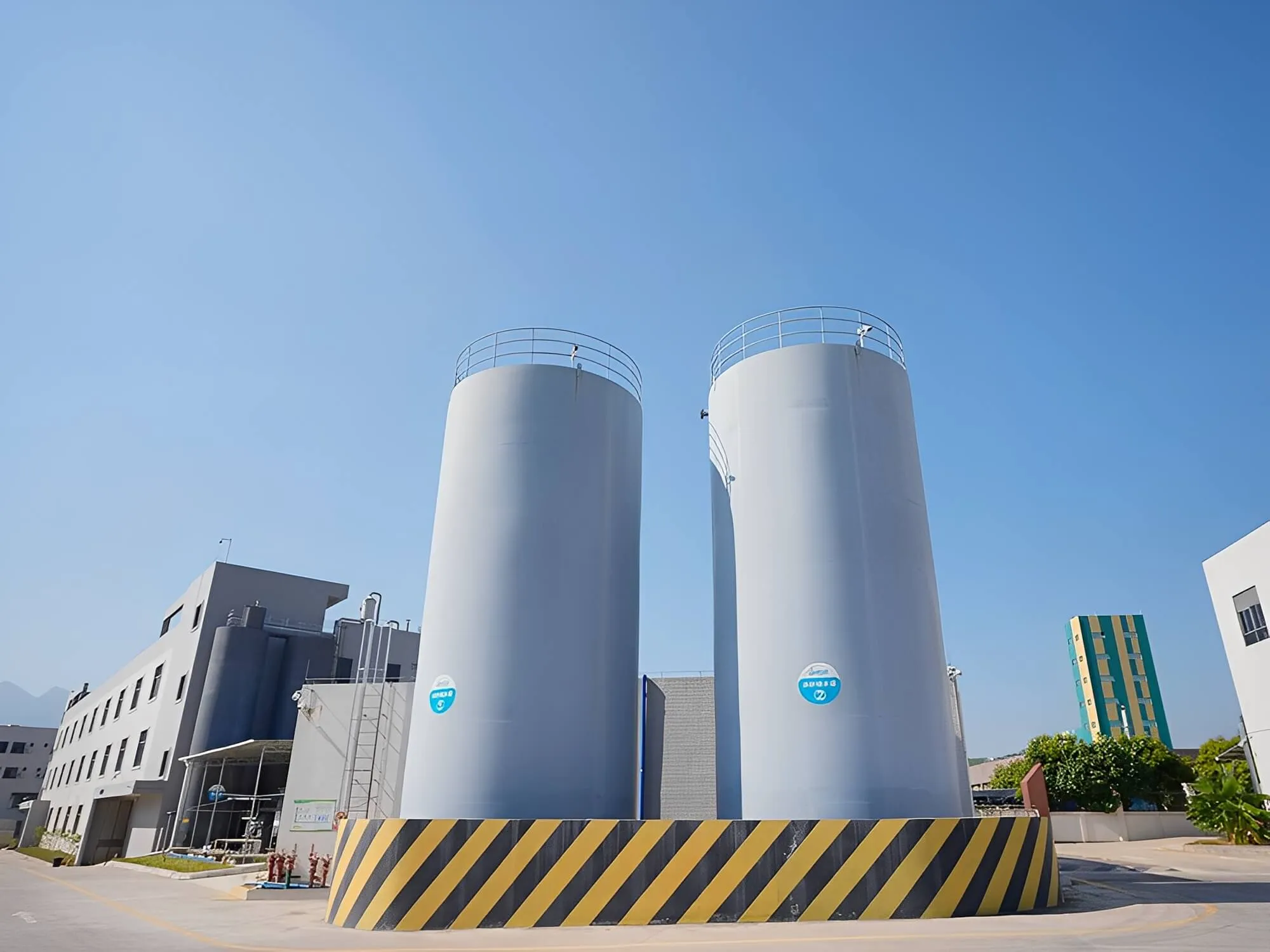
Step 1: Identify Recyclable Industrial Chemicals
መግቢያ አንቀጽ:
Not all chemicals are recyclable in the same way — some can be purified, others neutralized or repurposed.
የተወሰደ አንቀጽ:
Start by categorizing chemicals based on their physical properties and contamination level.
| cURL Too many subrequests. | Recyclability Level | Common Recycling Method | Notes |
|---|---|---|---|
| Solvents (Alcohols, Esters, Ketones) | cURL Too many subrequests. | Distillation, filtration | Recoverable for reuse |
| Phosphate Esters (AEO-3, NP-10, P204) | cURL Too many subrequests. | Vacuum filtration, re-esterification | Suitable for in-process recovery |
| Surfactants and Emulsifiers | cURL Too many subrequests. | Phase separation, filtration | Recover from washing waters |
| Acids and Alkalis | cURL Too many subrequests. | Neutralization and recovery | Use pH-controlled neutralization |
| Metal-Containing Solutions | cURL Too many subrequests. | cURL Too many subrequests. | cURL Too many subrequests. |
cURL Too many subrequests.
cURL Too many subrequests.
cURL Too many subrequests.
መግቢያ አንቀጽ:
cURL Too many subrequests.
የተወሰደ አንቀጽ:
cURL Too many subrequests.
cURL Too many subrequests.
- Ideal for cURL Too many subrequests..
- cURL Too many subrequests.
- cURL Too many subrequests.
Example: cURL Too many subrequests.
cURL Too many subrequests.
- cURL Too many subrequests. cURL Too many subrequests..
- cURL Too many subrequests.
- cURL Too many subrequests. cURL Too many subrequests., cURL Too many subrequests., and cURL Too many subrequests..
Example: Donghong Chemical reuses filtered phosphate ester residues in secondary coating formulations.
3. Neutralization
- Applies to acidic or alkaline waste streams.
- Converts hazardous chemicals into stable, neutral salts.
- Use pH meters and neutralization tanks for precision.
Example: Treating spent phosphoric acid from esterification processes with sodium carbonate solution.
4. Re-esterification or Chemical Reprocessing
- cURL Too many subrequests. partially hydrolyzed phosphate esters.
- Reacts recovered acids or alcohols back into esters under vacuum conditions.
- Ensures product purity while minimizing waste.
Example: Donghong Chemical’s re-esterification method recovers over 80% of semi-reacted phosphates into high-grade surfactants.
Step 3: Ensure Worker and Environmental Safety
መግቢያ አንቀጽ:
Recycling industrial chemicals safely requires more than equipment — it requires disciplined safety management.
የተወሰደ አንቀጽ:
Chemical recovery operations must follow hazard control, ventilation, and PPE (personal protective equipment) cURL Too many subrequests.
Safety Guidelines:
- Proper Ventilation: Prevents vapor accumulation in distillation and neutralization areas.
- Spill Containment Systems: Secondary bunds under chemical tanks prevent leakage.
- Personal Protection: Gloves, respirators, chemical aprons, and eye shields are mandatory.
- Monitoring: Continuous pH, temperature, and VOC (volatile organic compound) sensors ensure safe operation.
- Emergency Procedures: Keep neutralizing agents (lime, sodium bicarbonate) readily available.
Waste Gas and Odor Control:
Activated carbon filters and scrubbers should be installed on vents from recovery equipment to trap harmful vapors.
Step 4: Test and Certify Recycled Chemicals Before Reuse
መግቢያ አንቀጽ:
Recovered chemicals must undergo strict quality testing before they return to the production line.
የተወሰደ አንቀጽ:
Testing ensures that recycled materials meet purity and performance requirements for safe reuse.
Typical Quality Control Parameters:
| Property | Testing Method | Target Value |
|---|---|---|
| cURL Too many subrequests. | GC or HPLC | ≥ 98% for solvent recovery |
| cURL Too many subrequests. | Titration | ≤ 0.3 for phosphate esters |
| Moisture Content (%) | Karl Fischer method | ≤ 0.1 |
| Color (APHA) | ASTM D1209 | ≤ 30 |
| pH (5% solution) | Electrometric | 6.0–7.5 |
Recycled phosphate esters that meet these standards can be reused in coatings, lubricants, or textiles without loss of performance.
Donghong Chemical’s QC Laboratory conducts full testing on every recovered batch to ensure consistent results and compliance with international standards.
cURL Too many subrequests.
መግቢያ አንቀጽ:
cURL Too many subrequests.
የተወሰደ አንቀጽ:
cURL Too many subrequests. cURL Too many subrequests. cURL Too many subrequests.
cURL Too many subrequests.
- ISO 14001cURL Too many subrequests.
- cURL Too many subrequests.cURL Too many subrequests.
- cURL Too many subrequests.cURL Too many subrequests.
- cURL Too many subrequests.cURL Too many subrequests.
cURL Too many subrequests.
cURL Too many subrequests.
ፎስፌት ኤስተር, cURL Too many subrequests.
- cURL Too many subrequests. cURL Too many subrequests.
- cURL Too many subrequests. Removes coloration and oxidation impurities.
- Distillation under nitrogen atmosphere: Prevents degradation and odor.
Benefits of Phosphate Ester Recycling:
- Reduces production waste by 30–50%.
- Maintains acid value and color within specification.
- Extends storage and usability time.
ዶንግሆንግ ኬሚካል leads in this technology, integrating closed-loop solvent recovery እና re-esterification in its Guangdong plant — achieving over 95% recovery efficiency with minimal environmental discharge.
Conclusion: Building a Safe and Sustainable Chemical Recycling System
Recycling and reusing industrial chemicals safely requires both technical precision and environmental responsibility.
By applying distillation, filtration, re-esterification, and strict QC protocols, industries can minimize waste and recover valuable materials without compromising safety.
ዶንግሆንግ ኬሚካል demonstrates how sustainable operations can coexist with high efficiency — using advanced phosphate ester recovery and solvent recycling technologies to support global customers.
For guidance on safe chemical recovery systems or phosphate ester reuse:
📧 Email: dohollchemical@gmail.com
📱 WhatsApp: +86 139 0301 4781
Donghong Chemical — Committed to sustainable production, safe chemical recycling, and high-performance phosphate ester innovation for industries worldwide.
 Amharic
  English (United States)
  Russian
  German
  Turkish
  Spanish (Spain)
  Arabic
  French
  Vietnamese
  Indonesian
  Danish
  Japanese
  Bengali
  Greek
Greek  Tahitian
  Uzbek
Uzbek  English (Canada)
  Afrikaans
  Spanish (Venezuela)
  Bulgarian
  Assamese
  Tibetan
  Cebuano
  South Azerbaijani
  Belarusian
  Czech
Czech  Spanish (Argentina)
  Catalan
  Italian
  Moroccan Arabic
  German (Austria)
  Spanish (Chile)
  Ukrainian