
প্ৰধান অনুচ্ছেদ:
Even the most advanced surfactants can lose their performance if not stored properly. Decomposition during storage is one of the most common causes of quality decline in chemical formulations.
স্নিপেট অনুচ্ছেদ:
To prevent decomposition of surfactants in storage, maintain a cool (20–40°C), dry, and airtight environment, avoid exposure to moisture, strong acids, or oxidizers, and use high-quality packaging materials such as HDPE drums or stainless-steel tanks. Regular testing of acid value, color, and pH helps ensure long-term stability.
পৰিবৰ্তন অনুচ্ছেদ:
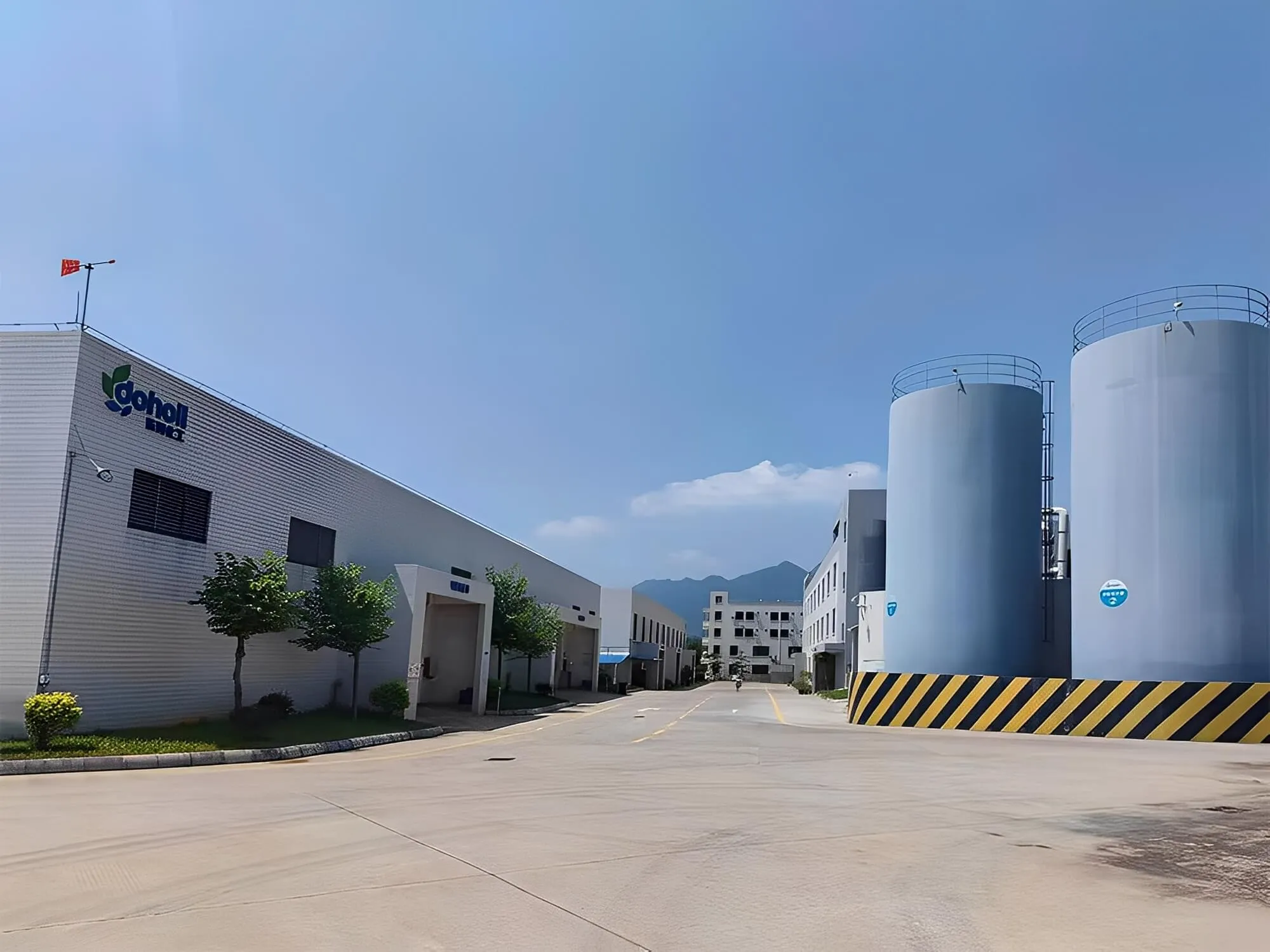
Whether you’re handling textile wetting agents, coating dispersants, or phosphate ester surfactants, proper storage determines product longevity and safety. This guide from ডংহং কেমিকেল explains the key factors that cause surfactant decomposition — and how to effectively prevent them in industrial and warehouse conditions.
Why Surfactants Decompose During Storage
প্ৰধান অনুচ্ছেদ:
Surfactants are designed for chemical stability, yet several environmental and chemical factors can accelerate their degradation.
স্নিপেট অনুচ্ছেদ:
Decomposition typically results from hydrolysis, oxidation, microbial growth, or thermal stress. Each mechanism alters molecular structure, leading to color change, odor formation, and reduced surface activity.
Common Causes of Surfactant Degradation:
| Cause | Description | cURL Too many subrequests. |
|---|---|---|
| Hydrolysis | Reaction with water due to moisture ingress | Acid or alcohol formation, drop in pH |
| Oxidation | Reaction with oxygen or air exposure | Discoloration, rancid odor |
| High Temperature | Speeds up hydrolysis and oxidation | Viscosity change, loss of functionality |
| UV Exposure | Breaks down molecular bonds | Color shift or precipitate formation |
| Microbial Growth | Occurs in aqueous surfactants | Spoilage and foul odor |
উদাহৰণ:
Phosphate ester surfactants like AEO-3 or NP-10 can hydrolyze if moisture enters the storage container, leading to higher acid value and reduced emulsification efficiency.
Optimal Storage Conditions for Surfactants
প্ৰধান অনুচ্ছেদ:
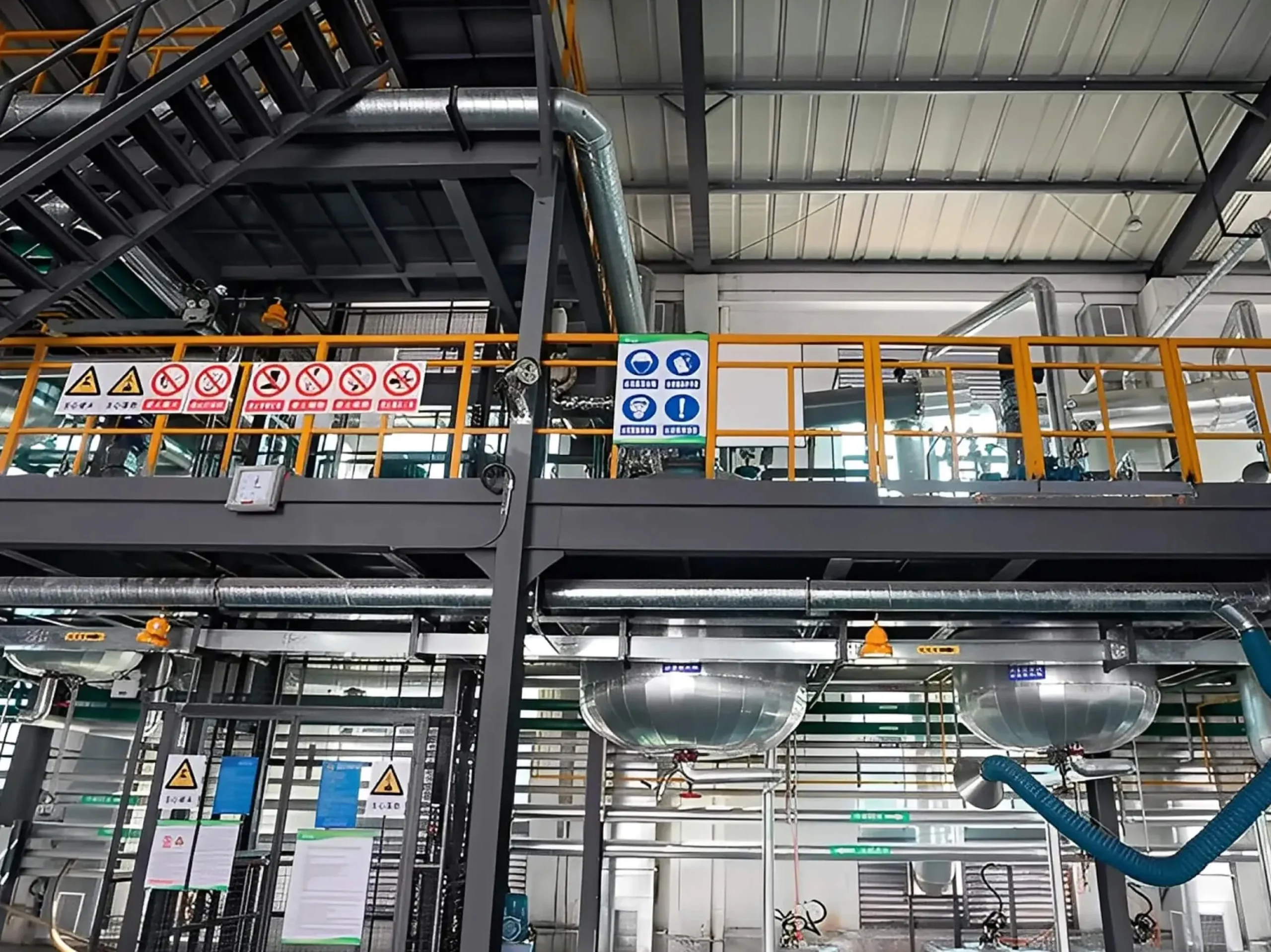
The simplest way to protect surfactants is by controlling their environment — temperature, humidity, and exposure.
স্নিপেট অনুচ্ছেদ:
cURL Too many subrequests. cURL Too many subrequests. cURL Too many subrequests.
cURL Too many subrequests.
- cURL Too many subrequests. cURL Too many subrequests..
- cURL Too many subrequests. cURL Too many subrequests. or cURL Too many subrequests..
- cURL Too many subrequests. cURL Too many subrequests. cURL Too many subrequests.
- cURL Too many subrequests. cURL Too many subrequests., cURL Too many subrequests.
cURL Too many subrequests.
- cURL Too many subrequests. cURL Too many subrequests. after each use.
- cURL Too many subrequests. nitrogen blanketing for bulk storage to prevent oxidation.
- Avoid storing near humid or wet areas — moisture triggers decomposition.
3. Light Protection
- Store in shaded or covered warehouses.
- cURL Too many subrequests. opaque or UV-resistant containers for light-sensitive products.
- Direct sunlight can degrade color and reduce active ingredient concentration.
4. Compatibility and Segregation
| Incompatible Substance | Risk |
|---|---|
| Strong oxidizers (e.g., peroxides) | Fire and decomposition hazard |
| Strong bases or acids | Chemical neutralization or hydrolysis |
| Reactive metals (iron, copper, zinc) | Discoloration or catalytic breakdown |
| Water or steam | Promotes hydrolysis and pH drift |
5. Recommended Packaging
- HDPE drums or IBC tanks (1000 L) for liquid surfactants.
- Epoxy-lined steel containers for industrial-scale storage.
- Avoid mild steel or uncoated metal tanks for acidic esters.

Monitoring Product Stability
প্ৰধান অনুচ্ছেদ:
Even with ideal storage, periodic testing ensures product integrity and prevents unnoticed degradation.
স্নিপেট অনুচ্ছেদ:
Regular quality monitoring helps maintain consistency and provides early detection of chemical changes.
Key Quality Parameters to Monitor:
| পেৰামিটাৰ | Ideal Range | Indicator of Degradation |
|---|---|---|
| দৰ্শন | Clear, color ≤30 APHA | Yellowing or haze formation |
| pH (5% সমাধান) | 5–8 | Drop indicates hydrolysis |
| অম্ল মান (এমজিKOH/গ্ৰাম) | 0.1–0.3 (neutral type) | Increase indicates decomposition |
| আর্দ্ৰতা (%) | ≤0.1 | cURL Too many subrequests. |
| Viscosity | cURL Too many subrequests. | cURL Too many subrequests. |
| cURL Too many subrequests. | cURL Too many subrequests. | cURL Too many subrequests. |
cURL Too many subrequests.
cURL Too many subrequests. cURL Too many subrequests. cURL Too many subrequests. cURL Too many subrequests., cURL Too many subrequests.
cURL Too many subrequests. cURL Too many subrequests. cURL Too many subrequests. cURL Too many subrequests. cURL Too many subrequests.
cURL Too many subrequests.
প্ৰধান অনুচ্ছেদ:
cURL Too many subrequests.
স্নিপেট অনুচ্ছেদ:
Implementing a few preventative measures can extend shelf life up to 24 months or longer under proper conditions.
1. Use Inert Gas Blanketing
- Fill headspace in drums or tanks with nitrogen.
- Prevents oxidation and color degradation.
- Recommended for P204, TBP, TEP, and AEO-3 phosphate esters.
2. Keep Drums Sealed and Dry
- Always close container lids tightly after sampling.
- Use desiccant packs for long-term sealed storage.
3. Maintain Storage Rotation
- Adopt the FIFO (First In, First Out) principle.
- Regularly record batch numbers and storage durations.
4. Avoid Frequent Heating
- Some facilities heat containers for fluidity — this accelerates breakdown.
- Instead, keep products in temperature-controlled warehouses.
5. Add Stabilizers if Necessary
- For sensitive formulations, small doses of antioxidants or chelating agents can extend life.
- Always consult the supplier before modifying chemical composition.
ফলাফল:
Proper storage can maintain acid value, color, and activity nearly identical to production specifications for over two years.
Dive Deeper: Environmental and Safety Practices
প্ৰধান অনুচ্ছেদ:
Safe storage goes hand in hand with environmental responsibility and workplace protection.
স্নিপেট অনুচ্ছেদ:
Preventing decomposition also prevents toxic vapor release and waste generation, contributing to cleaner and safer operations.
Donghong Chemical’s Environmental Safety Standards:
- Closed-loop solvent recovery system (>95% efficiency).
- Zero wastewater discharge from production.
- অনুসৰণ কৰা হয় ISO14001, REACH, and RoHS.
- Use of biodegradable, non-halogenated phosphate esters.
- Regular safety training for staff handling surfactants and esters.
cURL Too many subrequests.
cURL Too many subrequests.
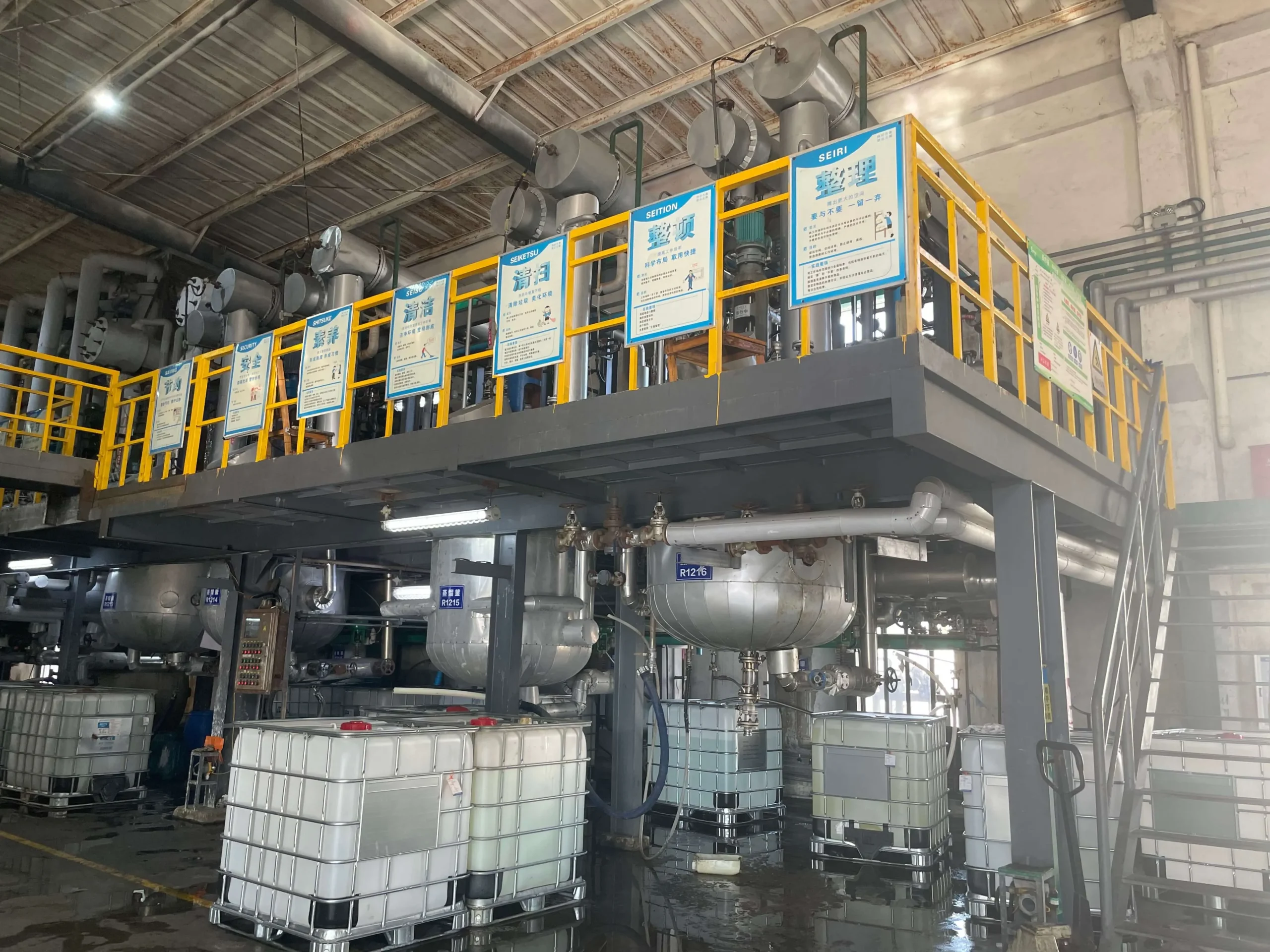
ডংহং কেমিকেল (গুৱাংডং, চীন) cURL Too many subrequests. ফসফেট এষ্টাৰ আৰু ছাৰফেক্টেণ্ট সংযোজক cURL Too many subrequests.
উৎপাদনৰ ধৰণ:
- AEO-3 ফসফেট এষ্টাৰ: cURL Too many subrequests.
- NP-10 ফসফেট এষ্টাৰ: cURL Too many subrequests.
- P204 (2-এথাইলহেক্সাইল ফসফেট): cURL Too many subrequests.
- TEP / TOP / TBP: cURL Too many subrequests.
সুবিধাসমূহ:
- cURL Too many subrequests.
- cURL Too many subrequests.
- cURL Too many subrequests. cURL Too many subrequests..
- cURL Too many subrequests.
- cURL Too many subrequests.
📧 ইমেইল: dohollchemical@gmail.com
📱 WhatsApp: +86 139 0301 4781
cURL Too many subrequests.
cURL Too many subrequests.
cURL Too many subrequests. cURL Too many subrequests., cURL Too many subrequests., আৰু airtight packaging, you can prevent decomposition and preserve surfactant performance for years.
cURL Too many subrequests. Donghong Chemical’s high-purity phosphate esters, rigorous QC standards, and expert storage guidance, businesses can ensure both chemical reliability and environmental safety throughout their supply chain.
For product stability consultation or storage guidelines:
📧 ইমেইল: dohollchemical@gmail.com
📱 WhatsApp: +86 139 0301 4781
Donghong Chemical — Global supplier of high-purity phosphate esters and surfactants, ensuring chemical stability from production to long-term storage.
 Assamese
  English (United States)
  Russian
  German
  Turkish
  Spanish (Spain)
  Arabic
  French
  Vietnamese
  Indonesian
  Danish
  Japanese
  Bengali
  Greek
Greek  Tahitian
  Uzbek
Uzbek  English (Canada)
  Afrikaans
  Spanish (Venezuela)
  Bulgarian
  Tibetan
  Cebuano
  Amharic
  South Azerbaijani
  Belarusian
  Czech
Czech  Spanish (Argentina)
  Catalan
  Italian
  Moroccan Arabic
  German (Austria)
  Spanish (Chile)
  Ukrainian