
As industries move toward greener and safer materials, one class of additives is quietly transforming the landscape — eco-friendly phosphate esters. Once known mainly for their role as flame retardants and lubricants, these versatile compounds are now leading the shift toward sustainable chemistry.
Eco-friendly phosphate esters are bio-based, halogen-free additives that provide high performance, low toxicity, and biodegradability — making them a cornerstone of the global transition to sustainable industrial formulations.
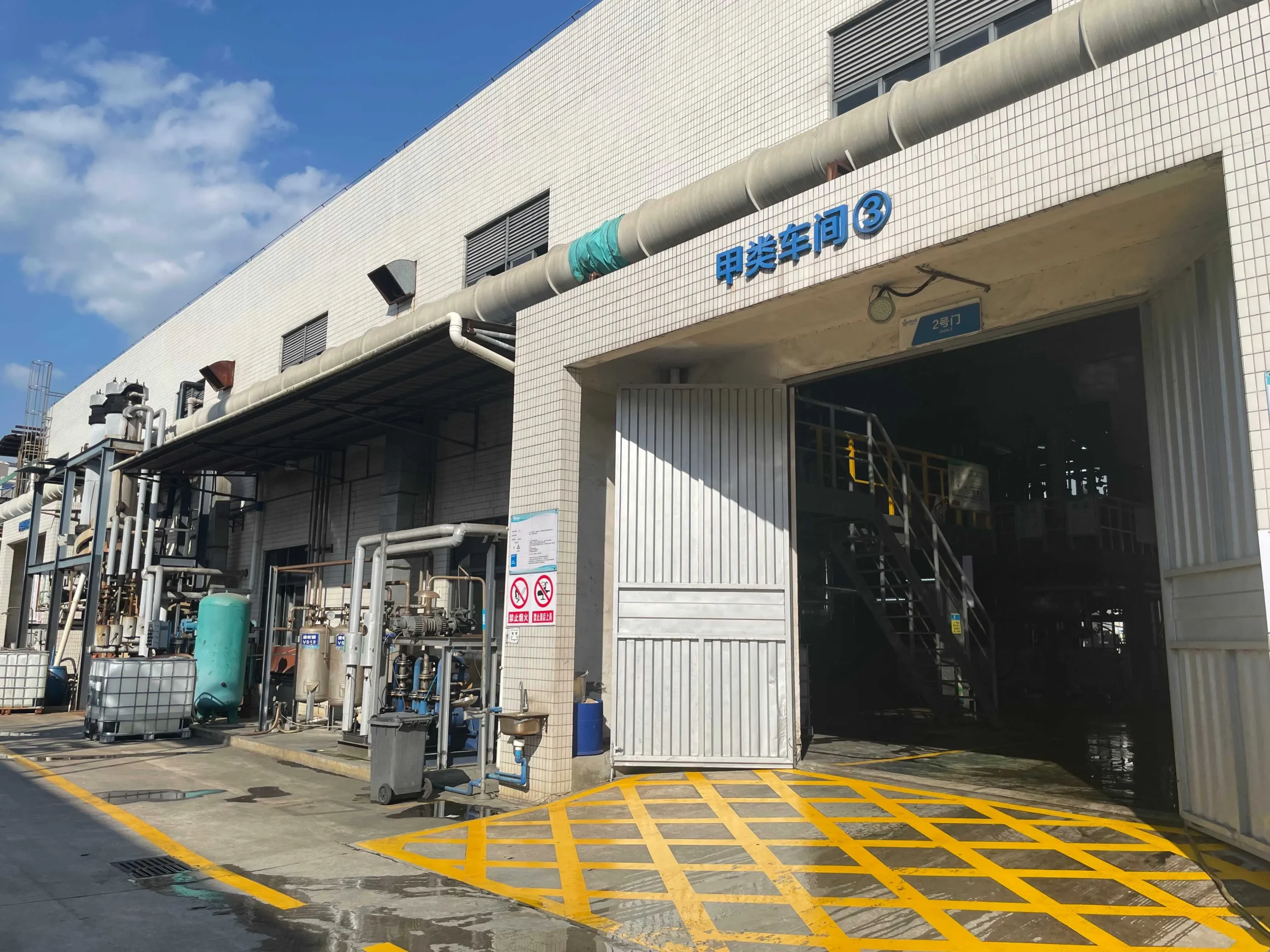
This article explores how phosphate esters are evolving into environmentally responsible solutions and why they are becoming essential in coatings, lubricants, polymers, and textile applications worldwide.
1. The Global Shift Toward Sustainable Chemistry
Sustainability has moved from being a trend to a business imperative. Governments, manufacturers, and consumers are all demanding:
- Non-toxic materials that don’t harm ecosystems
- Renewable feedstocks to replace petroleum-based inputs
- Low-VOC and halogen-free additives to reduce emissions
- Circular economy designs where materials can be recycled or degraded safely
The chemical industry is under pressure to redesign its building blocks — and phosphate esters have emerged as one of the most promising sustainable alternatives due to their adaptability and proven performance.
2. What Makes Phosphate Esters Eco-Friendly
Traditional phosphate esters already offered strong safety records compared to halogenated compounds. However, modern formulations have taken this further through green synthesis və renewable sourcing.
Key Features of Eco-Friendly Phosphate Esters
- Halogen-Free: No chlorine or bromine, reducing dioxin formation during combustion.
- Low VOC Content: Minimizes air pollution in coatings and processing.
- Biodegradability: Breaks down naturally without forming toxic residues.
- Bio-Based Feedstocks: Derived from natural alcohols (e.g., fatty alcohols, glycerol).
- Low Aquatic Toxicity: Safe for use in waterborne systems and textiles.
These properties make them compliant with REACH, RoHS, and Green Seal standards, ensuring safe integration into global manufacturing systems.
3. Green Synthesis: The Science Behind Sustainability
Modern eco-friendly phosphate esters are produced through optimized, low-emission processes that conserve both energy and raw materials.
Steps in Sustainable Production
- Renewable Feedstock Selection: Using bio-alcohols or plant-based polyols instead of petrochemicals.
- cURL Too many subrequests. cURL Too many subrequests.
- cURL Too many subrequests. cURL Too many subrequests.
- cURL Too many subrequests. cURL Too many subrequests.
- cURL Too many subrequests. cURL Too many subrequests.
cURL Too many subrequests.
cURL Too many subrequests.
cURL Too many subrequests.
| Industry | Funksiya | cURL Too many subrequests. |
|---|---|---|
| Coatings & Paints | cURL Too many subrequests. | cURL Too many subrequests. |
| Lubricants & Hydraulic Fluids | cURL Too many subrequests. | cURL Too many subrequests. |
| cURL Too many subrequests. | cURL Too many subrequests. | cURL Too many subrequests. |
| Plastics & Polymers | Yanğına qarşı, plastifikasiya | Sustainable alternative to phthalates |
| Construction Chemicals | Dispersant and defoamer | Improves workability without pollution risk |
Sunzo Foundation Engineering, for example, integrates eco-friendly phosphate esters into its ground improvement additives and coating formulations, helping infrastructure projects meet green certification standards.
5. Comparing Traditional vs. Eco-Friendly Phosphate Esters
| Xüsusiyyət | Traditional Phosphate Esters | Eco-Friendly Phosphate Esters |
|---|---|---|
| Raw Material Source | Petroleum-based alcohols | Renewable, bio-based alcohols |
| Halogen Content | May contain halogen traces | 100% halogen-free |
| VOC Emissions | Moderate to high | Low to near-zero |
| Biodeqradasiya | Partial | Excellent (>80%) |
| Aquatic Toxicity | Moderate | Low to negligible |
| Carbon Footprint | High | Up to 60% lower |
| Regulatory Status | Restricted in some markets | REACH & RoHS compliant |
Eco-friendly variants provide a cleaner lifecycle without compromising chemical performance — a true win-win for industry and environment.
6. Case Study: Bio-Based Phosphate Esters in Coatings
Challenge:
A marine coating manufacturer sought to replace a halogenated flame retardant that emitted VOCs and caused compliance issues in Europe.
cURL Too many subrequests.
By switching to bio-based phosphate esters supplied by Sunzo Foundation Engineering, they achieved:
- 30% lower VOC emissions
- Improved pigment dispersion and gloss retention
- Enhanced corrosion resistance under salt spray tests
- Compliance with EU Green Coating directives
This demonstrates that sustainability can directly improve both product quality and business compliance.
cURL Too many subrequests.
cURL Too many subrequests. cURL Too many subrequests. cURL Too many subrequests.
cURL Too many subrequests.
- cURL Too many subrequests.
- cURL Too many subrequests.
- cURL Too many subrequests.
- cURL Too many subrequests.
cURL Too many subrequests.
- cURL Too many subrequests.
- cURL Too many subrequests.
- cURL Too many subrequests.
- cURL Too many subrequests.
cURL Too many subrequests. cURL Too many subrequests. cURL Too many subrequests.
cURL Too many subrequests.
cURL Too many subrequests.
- cURL Too many subrequests. — Registration, Evaluation, Authorisation and Restriction of Chemicals
- RoHS (Restriction of Hazardous Substances) — For electronics and coatings
- ISO 14001 — Environmental management systems
- OECD Biodegradation Guidelines — For chemical sustainability
- UL 94 Flame Retardancy — Fire safety in polymers
These certifications make them easy to export and integrate across global markets, from Europe to Asia and the Americas.
Dive Deeper: Innovations Driving the Next Generation
Research in sustainable phosphate chemistry is expanding rapidly.
Emerging Trends
- Enzyme-Catalyzed Synthesis: Reduces reaction temperature and energy use.
- Hybrid Phosphate–Silicone Esters: Combine fire resistance with UV durability.
- Reactive Bio-Phosphate Systems: Chemically bond with resins for zero leaching.
- Closed-Loop Recycling Models: Recover phosphorus from industrial wastewater.
- AI-Assisted Formulation Design: Optimizes molecular structure for low toxicity and high performance.
These advancements are positioning phosphate esters at the center of sustainable industrial innovation.
Dive Deeper: The Role of Sunzo Foundation Engineering
Sunzo Foundation Engineering has become one of China’s leaders in eco-friendly phosphate ester production, blending chemical manufacturing with engineering applications.
Sunzo’s Sustainable Product Portfolio
- Bio-Based Acid Phosphate Esters: For waterborne coatings and primers.
- Triaryl Phosphate Esters (Low-Toxicity Grades): For lubricants and high-temperature systems.
- Halogen-Free Flame Retardant Additives: For plastics, rubber, and composite materials.
- Surfactant–Phosphate Blends: For textile and soil stabilization uses.
Sunzo’s integrated model — from chemical formulation → design → construction → monitoring — ensures every product aligns with both cURL Too many subrequests.
📧 dohollchemical@gmail.com
📱 +86 139 0301 4781
Son fikirlər
cURL Too many subrequests.
cURL Too many subrequests. cURL Too many subrequests., cURL Too many subrequests.
cURL Too many subrequests. Sunzo Foundation Engineering cURL Too many subrequests.
Sunzo Foundation Engineering ilə əlaqə saxlayın
cURL Too many subrequests.
📧 E-poçt: dohollchemical@gmail.com
📱 WhatsApp: +86 139 0301 4781
 South Azerbaijani
  English (United States)
  Russian
  German
  Turkish
  Spanish (Spain)
  Arabic
  French
  Vietnamese
  Indonesian
  Danish
  Japanese
  Bengali
  Greek
Greek  Tahitian
  Uzbek
Uzbek  English (Canada)
  Afrikaans
  Spanish (Venezuela)
  Bulgarian
  Assamese
  Tibetan
  Cebuano
  Amharic
  Belarusian
  Czech
Czech  Spanish (Argentina)
  Catalan
  Italian
  Moroccan Arabic
  German (Austria)
  Spanish (Chile)
  Ukrainian