
Tributyl Phosphate Solubility Explained
Solubility behavior of TBP (CAS 126-73-8) in water and organic solvents — explained by manufacturer. Understand how TBP dissolves in water, hydrocarbons, alcohols, and extraction systems — and how solubility affects real industrial performance.
Best practice: Solubility is system-dependent. For the fastest answer, share your solvent composition, temperature, and whether you have an aqueous phase (pH/salts).
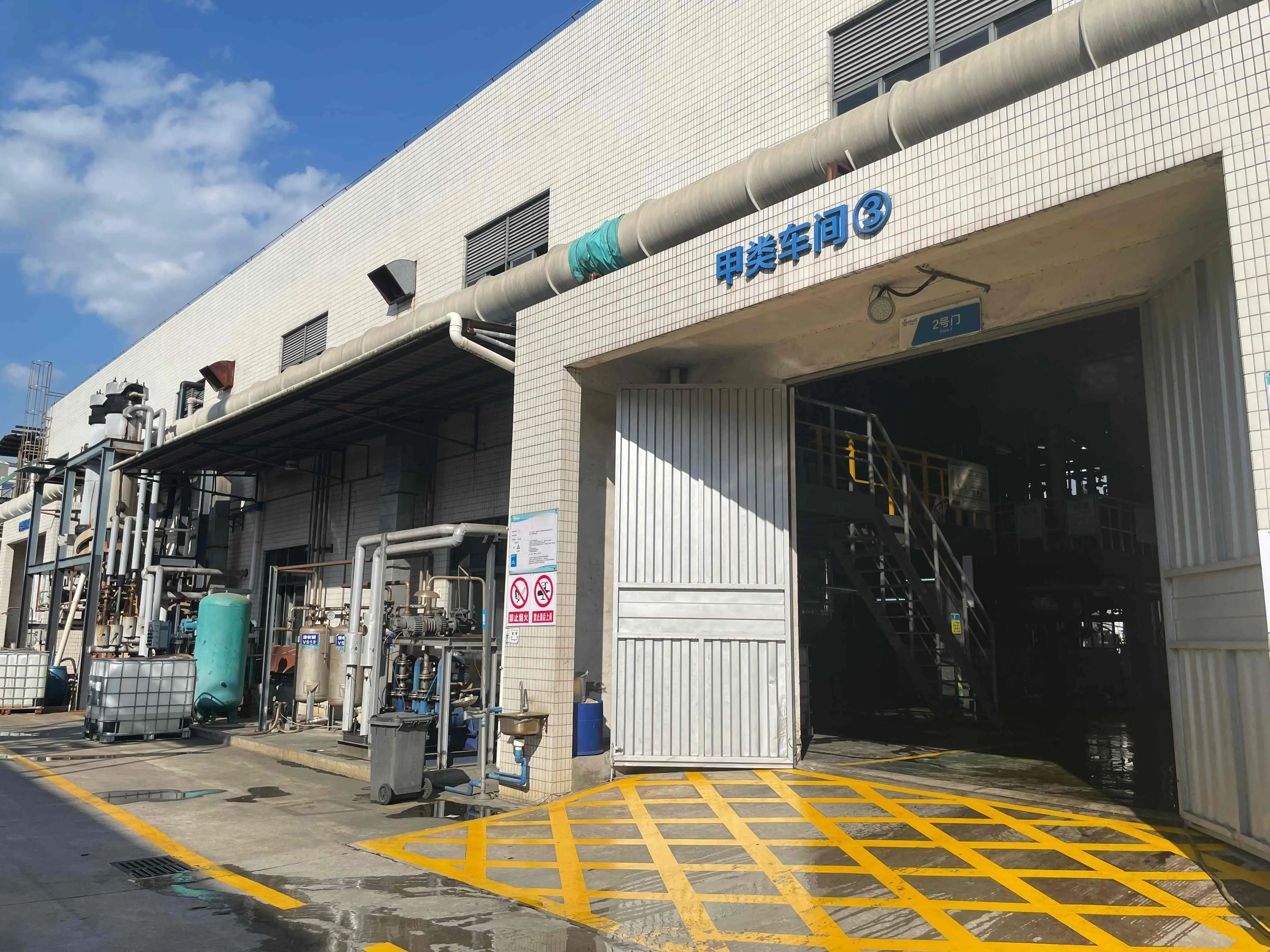


Tributyl Phosphate Solubility Overview
General solubility characteristics of TBP:
Why buyers care
Solubility impacts extraction efficiency, blend clarity, storage stability, and process reproducibility. Wrong assumptions can cause phase separation, haze, or emulsions.

What Is Tributyl Phosphate (TBP)?
TBP is a neutral phosphate ester widely used as an industrial solvent, plasticizer, defoamer, and extraction agent. Solubility is one of the most important properties determining how TBP behaves in extraction systems and industrial formulations.
Where solubility matters most
- Liquid–liquid extraction systems
- Resin and polymer formulations
- Coatings, inks, and process fluids
Product Identification
| Item | Value |
|---|---|
| Məhsul Adı | Tributyl Phosphate |
| Abbreviation | cURL Too many subrequests. |
| CAS No. | 126-73-8 |
| Molecular Formula | C₁₂H₂₇O₄P |

Need solubility/compatibility support? Email: dohollchemical@gmail.com
TBP Solubility in Water
TBP has very low solubility in water and typically forms a separate organic phase.
Typical behavior
- Only slightly soluble in water (reference values depend on conditions)
- Forms a clear two-phase system in most cases
- Water solubility can increase slightly with temperature
Why this matters: Low water solubility supports phase separation in extraction systems, reduces loss into aqueous streams, and improves recyclability.
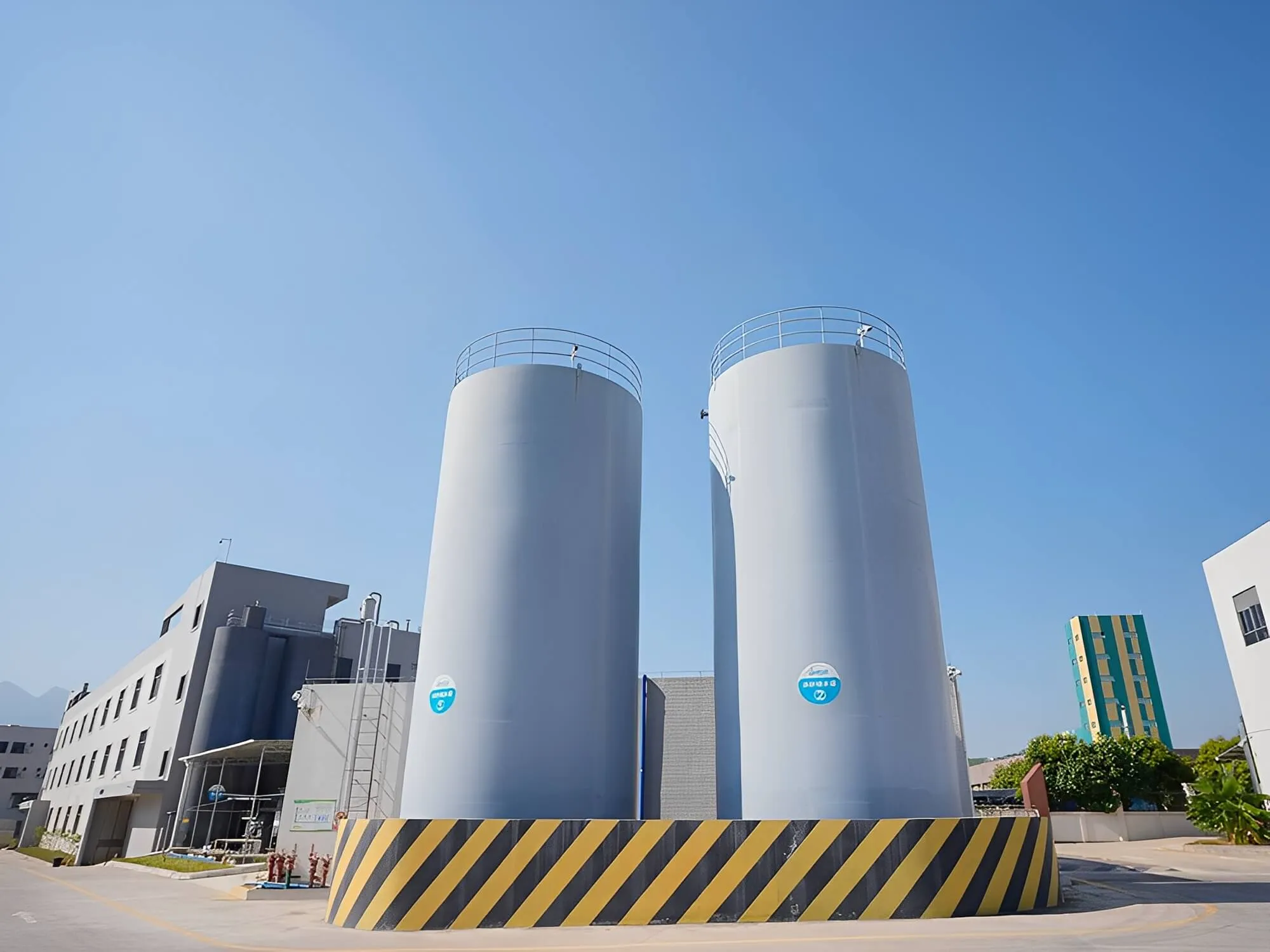


TBP Solubility in Organic Solvents
TBP shows excellent solubility in many organic media, enabling stable homogeneous mixtures for industrial formulations.
Common compatible solvent types
Practical benefit: Easy blending, stable homogeneous mixtures, and low precipitation risk under normal conditions.
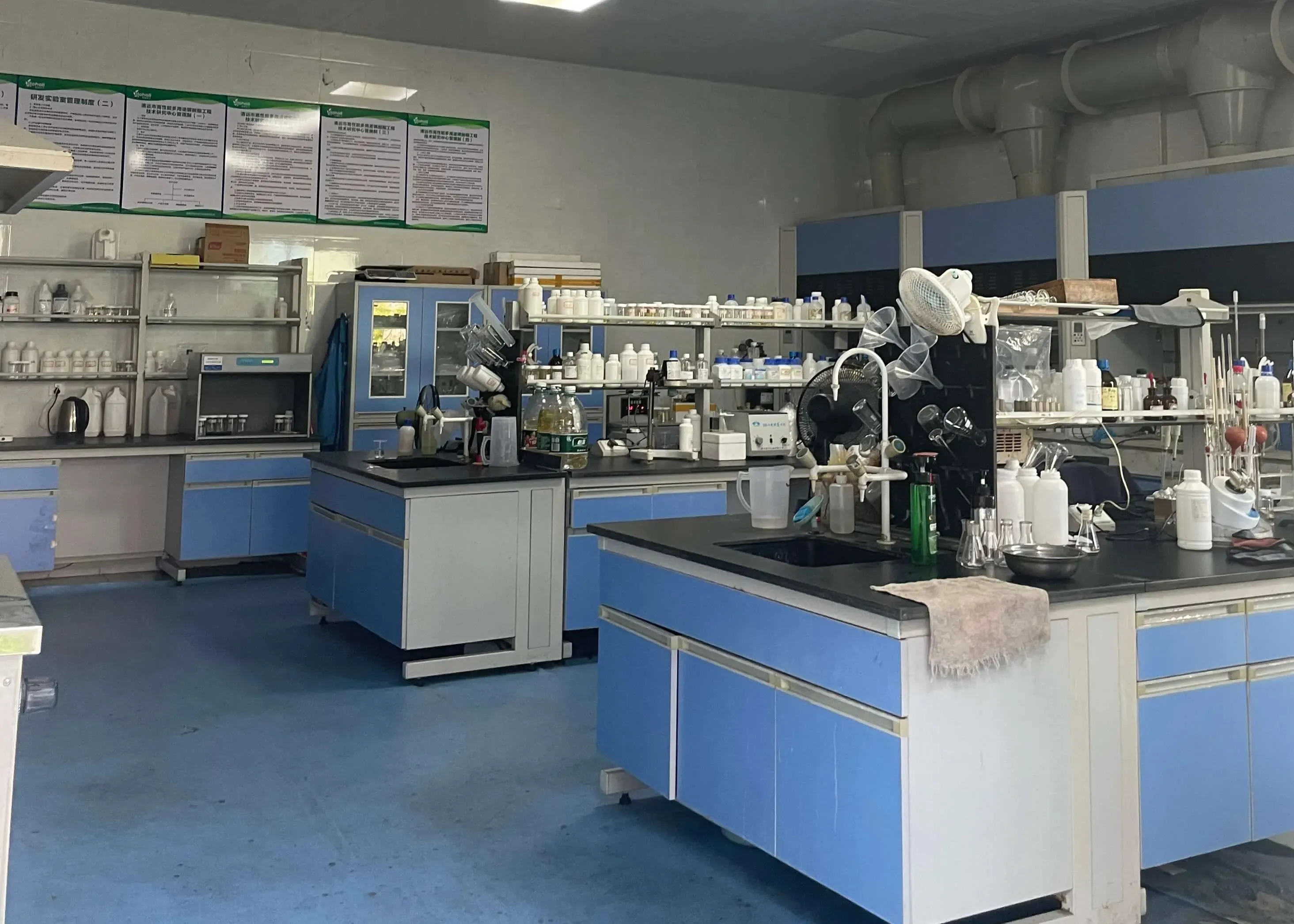


Solubility Behavior in Mixed Systems (Water + Organic)
In biphasic systems, TBP strongly prefers the organic phase — supporting predictable separation and controlled partitioning.
Predictable phase behavior
TBP favors organic phase, aiding stable phase split and process repeatability.
Supports selective transfer
Useful where controlled partitioning is required for target components.
Lower emulsification risk
Proper system design reduces haze/emulsion and improves clarity.
Key advantage for extraction
Clear phase separation helps reduce losses, simplifies recycling, and stabilizes extraction efficiency across batches.
When emulsions may appear
- High shear mixing + surfactants present
- Fine solids / impurities in either phase
- Temperature shock or uncontrolled moisture

How Solubility Impacts Real Applications
Solubility directly affects extraction efficiency, formulation clarity, storage stability, and process reproducibility.
If solubility is misunderstood, buyers may see:
- Phase instability / layer separation in storage
- Product haze or cloudiness
- Reduced extraction performance
- Higher emulsification and separation time
Professional buyers confirm compatibility with their real solvent system before bulk purchase. We support sample evaluation and application-specific guidance.

Manufacturer-Tested Solubility Data: Why It Matters
Generic solubility values from databases often ignore real formulation conditions and do not reflect production batches.
Common database limitations
No solvent composition • No salts/pH • No temperature window • No batch linkage
Our data is useful because
Tested on actual TBP batches • Verified under industrial conditions • Consistent with COA & TDS

Factory Background & Technical Capability
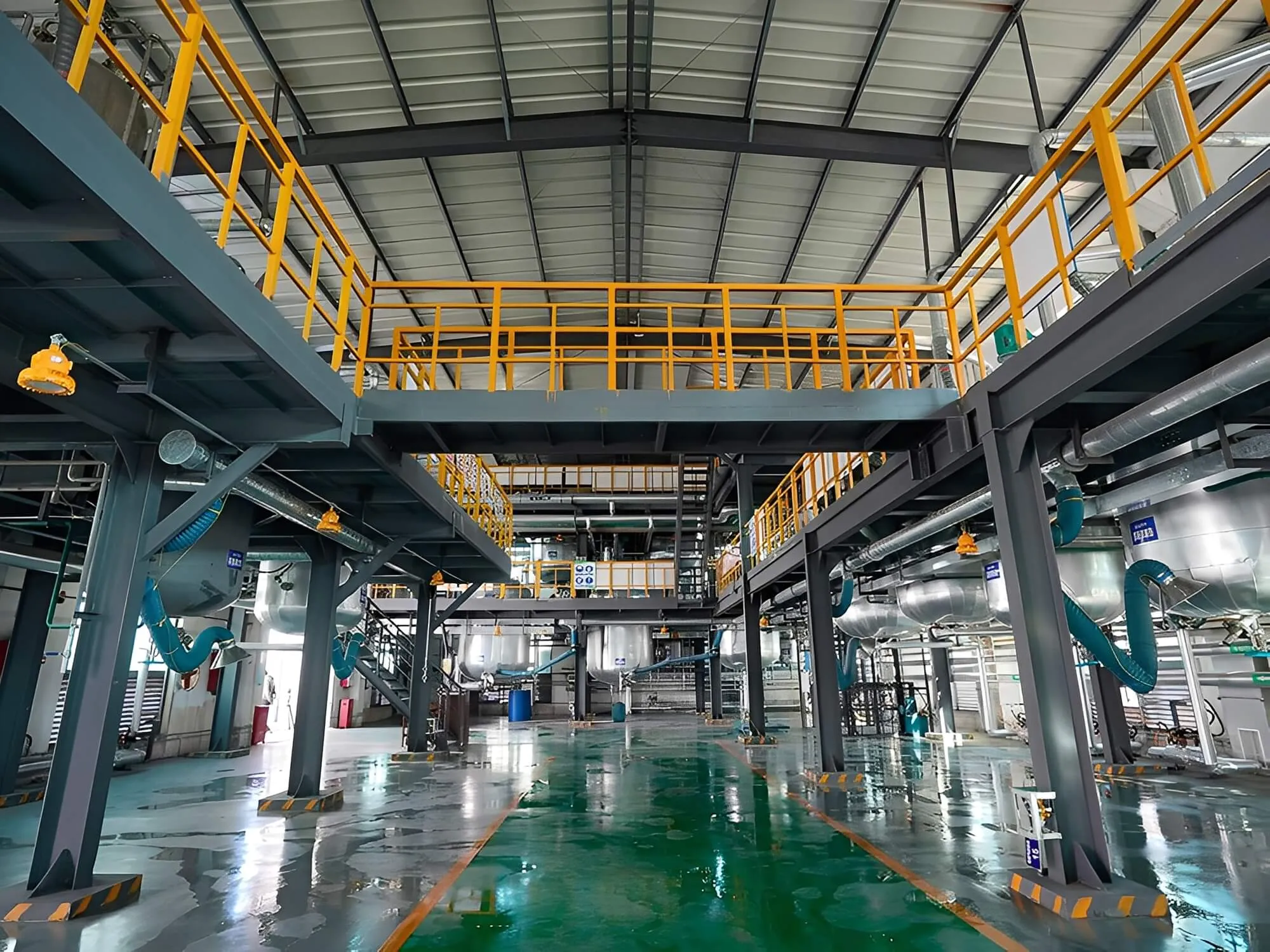
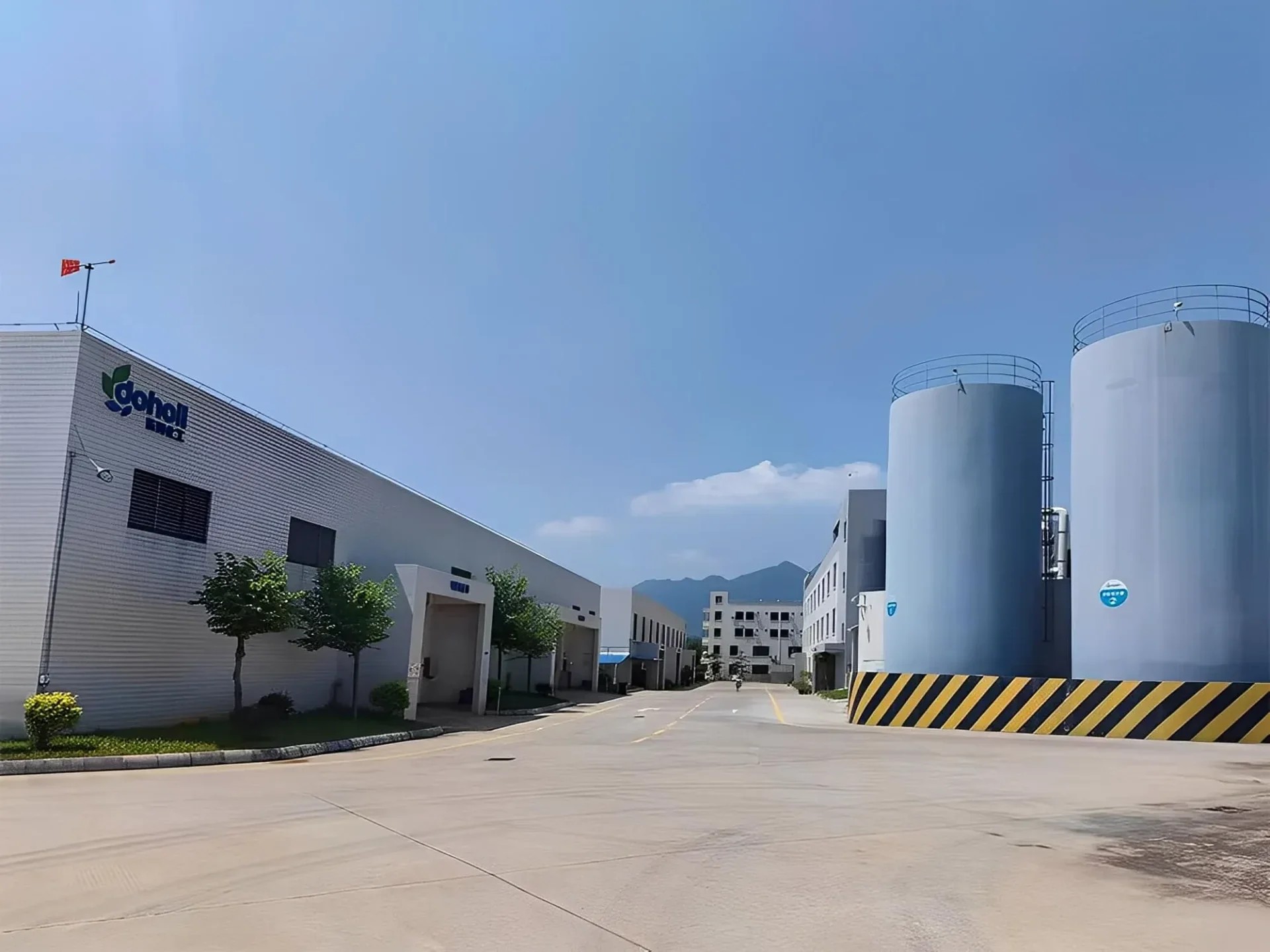
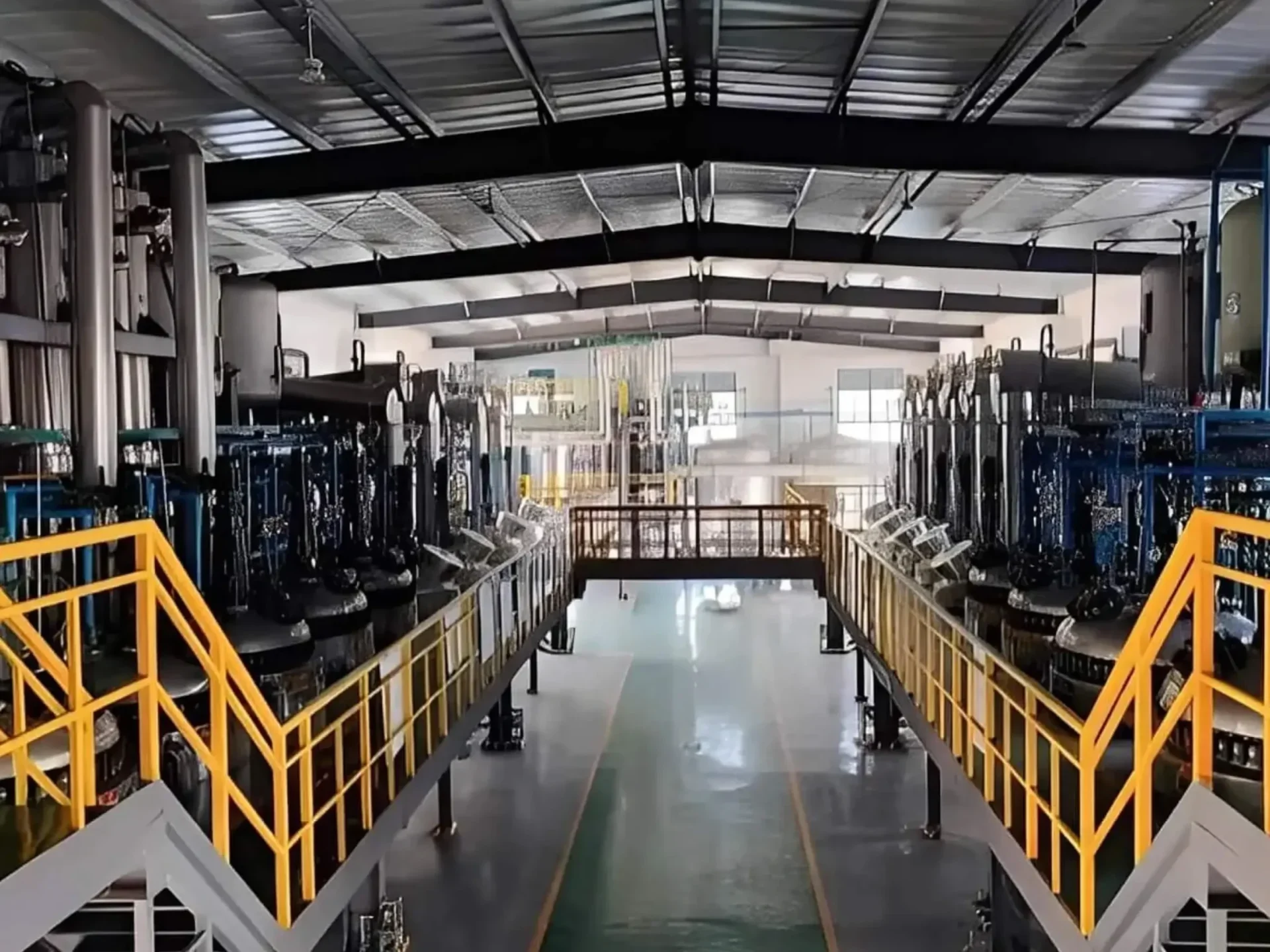
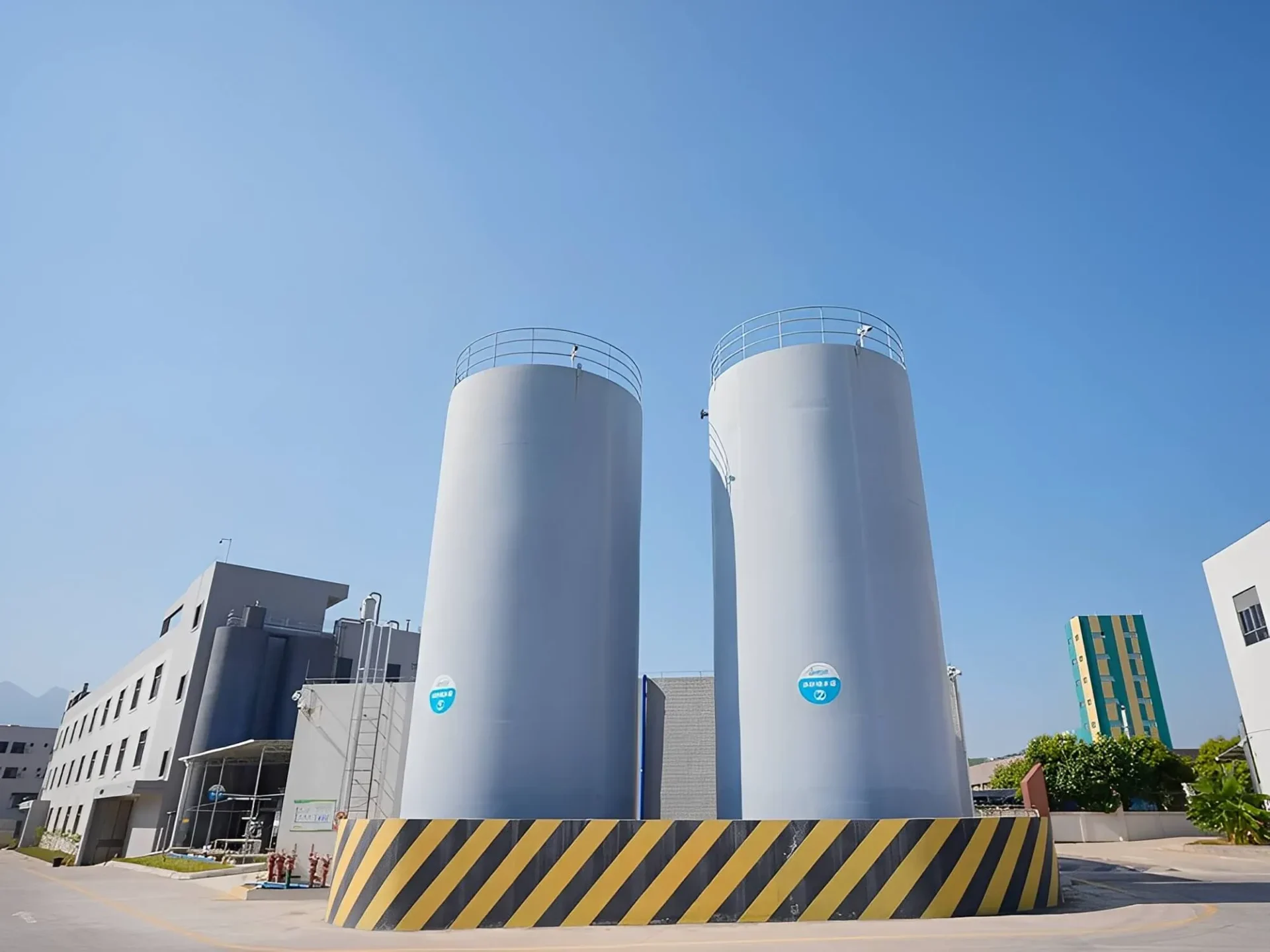
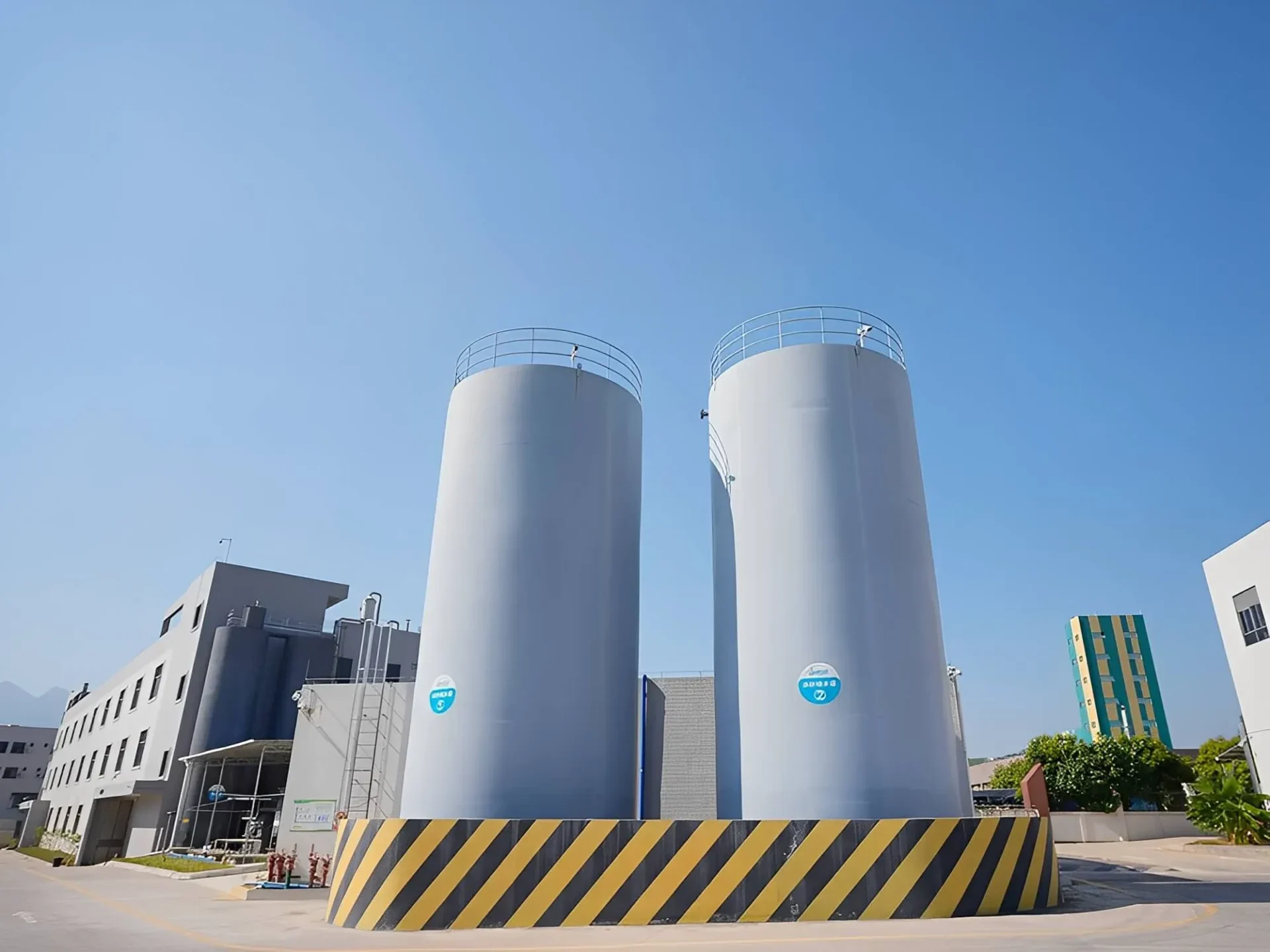
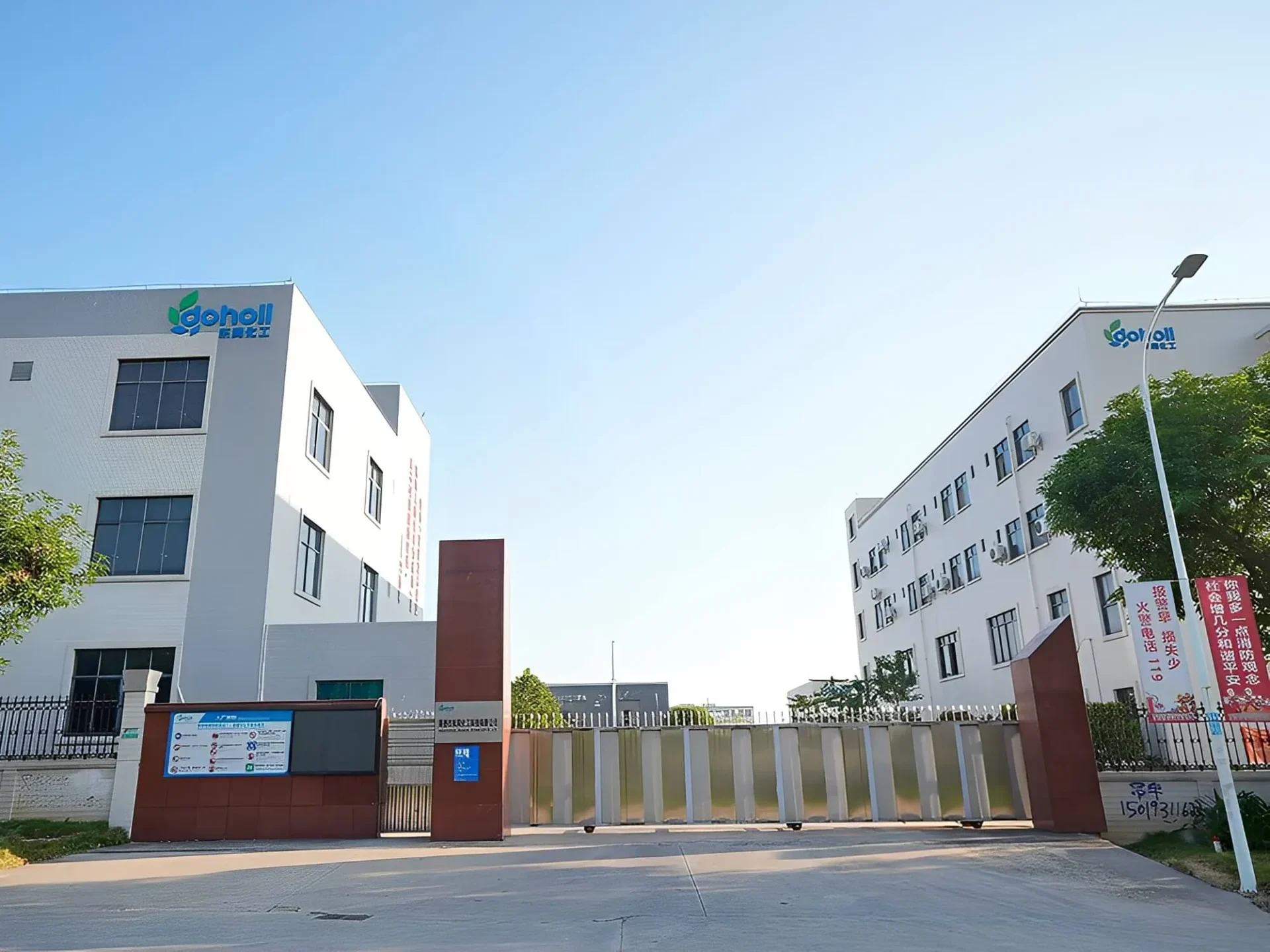
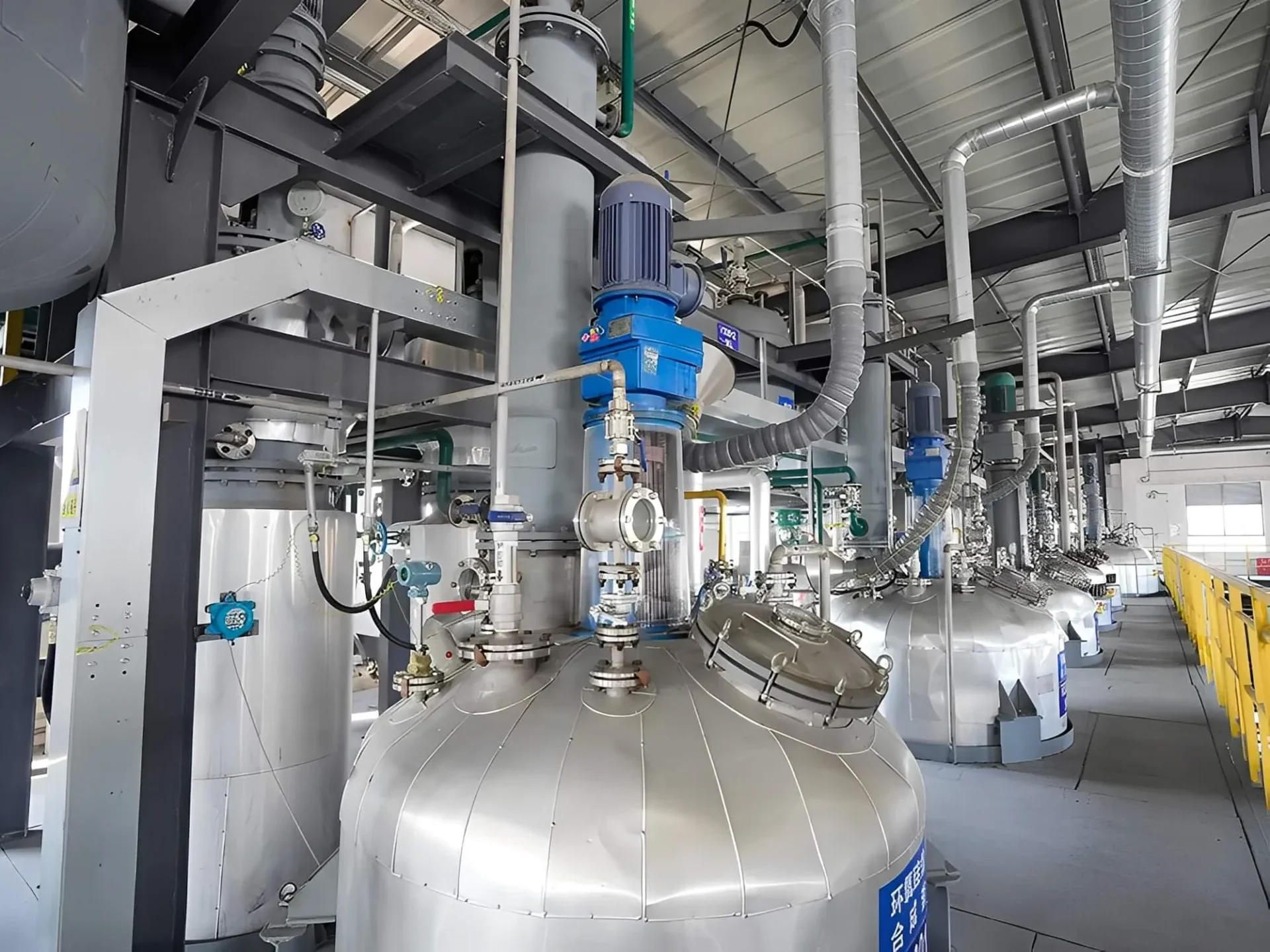
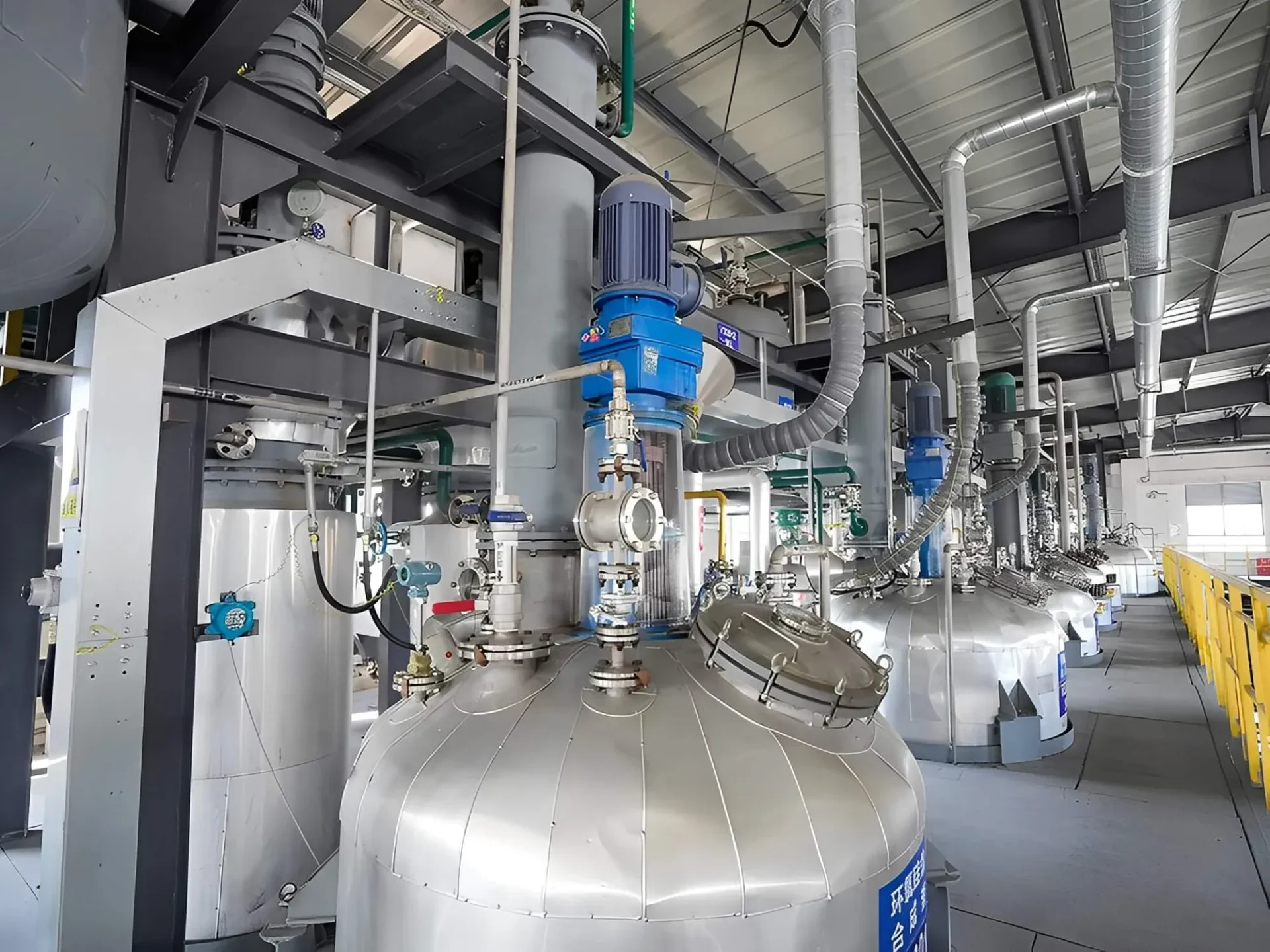
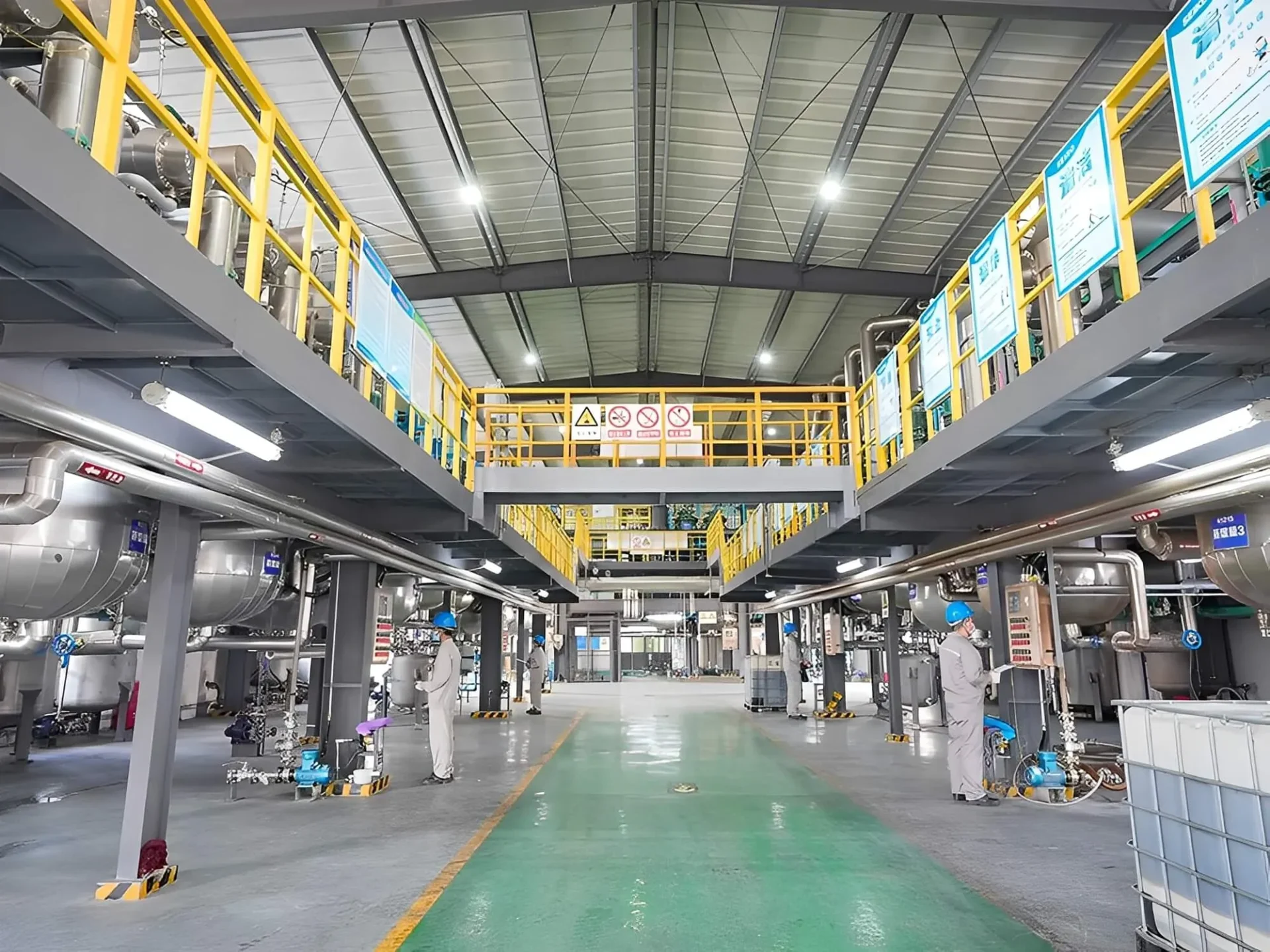
We are a direct phosphate ester manufacturer producing TBP, TIBP, TOP, and TEP — supporting customers with compatibility evaluation, not just supply.
Stable production and consistent chemical performance.
Moisture/acid control and compatibility checks.
Process-specific guidance for mixed systems.
Documented for audits and procurement approval.

Solubility Considerations for Buyers
When sourcing TBP, confirm solubility in your real system — not only in “pure” solvents.
Your actual solvent system
Solvent composition, additives, and resin content can change miscibility.
Temperature window
Phase behavior may shift across storage and operating temperatures.
Long-term stability
Check haze/emulsion tendency after 7–14 days if needed.
We support pre-purchase evaluation
Share your solvent system and temperature range. We can suggest a test plan and provide samples for evaluation.

Packaging & Storage Impact on Solubility Stability
Proper packaging and sealed storage help prevent moisture contamination — supporting stable solubility behavior and consistent performance.
Recommended packaging
- 200 kg steel drums
- 1000 kg IBC tanks
Storage: Keep containers tightly closed, store in a cool, dry, ventilated area.


FAQ – Tributyl Phosphate Solubility
Buyer-oriented answers for formulation, extraction, and procurement.
1) Is tributyl phosphate soluble in water?
TBP is only slightly soluble in water and usually forms a separate organic phase.
2) Is TBP miscible with organic solvents?
Yes, TBP is highly soluble in many organic solvents and blends well in organic systems.
3) Does temperature affect TBP solubility?
Yes. Higher temperatures can increase water solubility slightly and may affect phase behavior in mixed systems.
4) Can TBP cause emulsion problems?
Under improper conditions (high shear + surfactants/solids), emulsions may form. Proper design reduces risk.
5) Is TBP suitable for biphasic extraction systems?
Yes, its solubility profile supports controlled partitioning and clear phase separation.
6) Does solubility vary by batch?
Consistent manufacturing and moisture/acid control help keep solubility behavior stable across batches.
7) Can TBP be blended with hydrocarbons?
Yes, TBP blends well with many aliphatic and aromatic hydrocarbon systems.
8) How does moisture affect solubility?
Excess moisture can impact clarity or stability in sensitive systems. Low moisture control is important.
9) Is TBP stable in storage?
Yes, when stored properly in sealed containers in a cool, dry, ventilated area.
10) Can I test solubility before ordering?
Yes, samples are available for compatibility evaluation.
11) Does solubility impact downstream performance?
Yes, it influences extraction efficiency, clarity, stability, and reproducibility.
12) Do you provide technical support?
Yes. Our team supports formulation and application evaluation by email.
Need Reliable TBP Solubility Data for Your Process?
Work directly with a real phosphate ester manufacturer. Get accurate data, stable supply, and technical guidance.
Send these 4 details
 South Azerbaijani
  English (United States)
  Russian
  German
  Turkish
  Spanish (Spain)
  Arabic
  French
  Vietnamese
  Indonesian
  Danish
  Japanese
  Bengali
  Greek
Greek  Tahitian
  Uzbek
Uzbek  English (Canada)
  Afrikaans
  Spanish (Venezuela)
  Bulgarian
  Assamese
  Tibetan
  Cebuano
  Amharic
  Belarusian
  Czech
Czech  Spanish (Argentina)
  Catalan
  Italian
  Moroccan Arabic
  German (Austria)
  Spanish (Chile)
  Ukrainian