
водещ параграф:
From the early days of organophosphorus research to today’s advanced industrial formulations, phosphate ester chemistry has shaped countless industries around the world.
откъс от параграф:
Цветът на development history of phosphate ester chemistry spans more than a century — from its discovery in the early 1900s as a laboratory curiosity to its modern applications in coatings, lubricants, textiles, and flame retardants, where it now defines performance, safety, and sustainability.
Преходен параграф:
The story of phosphate esters is one of constant evolution — guided by advances in organic synthesis, environmental awareness, and industrial demand. This article explores how phosphate ester chemistry developed from simple acid–alcohol reactions into one of the most versatile pillars of modern industrial chemistry, with insights from Химикалите на Donghong continuous innovation in the field.
Early Origins: The Birth of Organophosphorus Chemistry (1900–1930)
водещ параграф:
The foundation of phosphate ester chemistry began with the exploration of phosphorus–oxygen bonds in the early 20th century.
откъс от параграф:
In 1909, German chemist Emil Fischer and his contemporaries first synthesized organic phosphate compounds by reacting phosphoric acid with alcohols, forming simple phosphate mono- and diesters. These early experiments demonstrated how phosphorus could act as a bridge between inorganic and organic chemistry.
Milestones:
- 1900–1910: Basic organophosphate synthesis methods established.
- 1912: First studies on phosphate esters as biological energy carriers (precursors to ATP research).
- 1920s: Discovery of the detergent-like properties of alkyl phosphates.
While early uses were mostly academic, these findings paved the way for large-scale industrial adoption decades later.
Industrial Expansion: The Post-War Boom (1940–1960)
водещ параграф:
The true industrial relevance of phosphate esters began during and after World War II, when the demand for advanced lubricants and flame retardants surged.
откъс от параграф:
By the 1940s, chemists had perfected the esterification of phosphoric acid and alcohols using controlled temperature and catalysts, enabling mass production. Companies began producing triesters като tributyl phosphate (TBP) и trioctyl phosphate (TOP) for military-grade lubricants and solvent extraction of uranium.
Key Developments:
- 1944: Commercial synthesis of Трибутил фосфат (TBP) — used in metal extraction for nuclear fuel reprocessing.
- 1950s: Introduction of Triaryl Phosphates (e.g., Triphenyl Phosphate, TPP) as non-halogenated flame retardants.
- 1958: Use of phosphate esters as plasticizers and hydraulic fluid additives in aviation and automotive industries.
This era defined phosphate esters as both industrial workhorses and safety enhancers in rapidly expanding global markets.
cURL Too many subrequests.
водещ параграф:
cURL Too many subrequests.
откъс от параграф:
cURL Too many subrequests. cURL Too many subrequests. cURL Too many subrequests.
cURL Too many subrequests.
- cURL Too many subrequests.
cURL Too many subrequests. cURL Too many subrequests. с етоксилирани алкохоли cURL Too many subrequests.
cURL Too many subrequests. cURL Too many subrequests.. - cURL Too many subrequests.
cURL Too many subrequests. - cURL Too many subrequests.
cURL Too many subrequests. cURL Too many subrequests. и cURL Too many subrequests. cURL Too many subrequests. - Eco-Driven Research Beginnings:
Recognition of biodegradability и low toxicity advantages over halogenated additives.
By the 1970s, phosphate esters had become standard in formulations requiring stability under heat and pressure, setting the stage for sustainable innovation.
Environmental Awareness and Regulation (1980–2000)
водещ параграф:
As global awareness of environmental and occupational safety grew, phosphate ester chemistry underwent a major transformation.
откъс от параграф:
Concerns over halogenated flame retardants and nonylphenol ethoxylates (NPEs) in the 1980s and 1990s drove a shift toward APEO-free and biodegradable phosphate esters. Research focused on reducing toxicity, improving purity, and ensuring regulatory compliance.
Key Turning Points:
- 1985: Introduction of nonylphenol-free phosphate surfactants (NP-free series).
- 1990s: REACH and RoHS regulations encouraged halogen-free flame retardant alternatives like TEP and TOP.
- 1995–2000: Industrial scale-up of green synthesis processes using continuous esterification and solvent recovery systems.
This era was defined by the transition from traditional chemistry to responsible manufacturing, balancing performance with sustainability.
Modern Innovation: High-Purity and Green Phosphate Esters (2000–Present)
водещ параграф:
The 21st century brought a revolution in precision synthesis, purity control, and environmental technology for phosphate esters.
откъс от параграф:
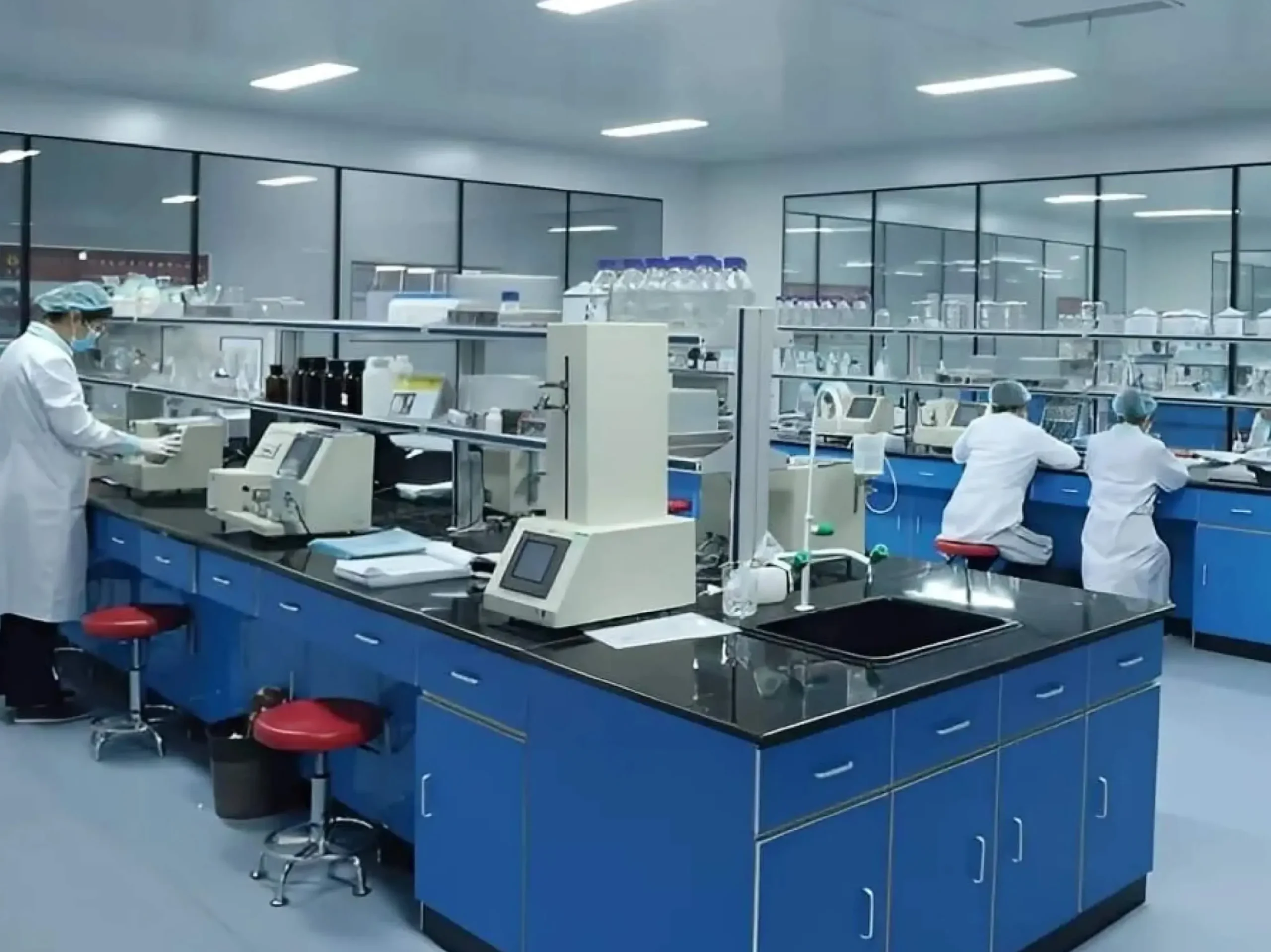
Modern manufacturers like Donghong Chemical have optimized esterification with automated reactors, vacuum dehydration, and solvent recovery, producing high-purity (≥99%) esters that meet global environmental and industrial standards.
Technological Highlights:
- Advanced Synthesis: Controlled reaction between phosphorus oxychloride or P₂O₅ и етоксилирани алкохоли for uniform ester structure.
- Closed-Loop Production: >95% solvent recovery efficiency with zero wastewater discharge.
- cURL Too many subrequests. cURL Too many subrequests.
- cURL Too many subrequests. cURL Too many subrequests. cURL Too many subrequests.
cURL Too many subrequests.
| Продукт | Тип | cURL Too many subrequests. | Приложение |
|---|---|---|---|
| AEO-3 Фосфатестер | cURL Too many subrequests. | Навлажняване, емулгиране | cURL Too many subrequests. |
| NP-10 Фосфатестер | cURL Too many subrequests. | cURL Too many subrequests. | cURL Too many subrequests. |
| P204 (2-етилхексил фосфат) | cURL Too many subrequests. | cURL Too many subrequests. | cURL Too many subrequests. |
| cURL Too many subrequests. | cURL Too many subrequests. | Огнеупорен, пластификатор | cURL Too many subrequests. |
cURL Too many subrequests.
cURL Too many subrequests. cURL Too many subrequests. и cURL Too many subrequests., Donghong has created phosphate esters that are both high-performance and environmentally responsible, meeting ISO9001, ISO14001, REACH, and RoHS certifications.
Dive Deeper: From Basic Chemistry to Smart Applications
водещ параграф:
Today’s phosphate esters aren’t just chemical additives — they’re smart materials engineered for multifunctional performance.
откъс от параграф:
Their chemistry continues to evolve, now overlapping with nanotechnology, polymer science, and surface engineering. Phosphate esters are being used in:
- Eco-friendly coatings and sealants with improved adhesion and weather resistance.
- Smart textiles that resist static, flame, and bacteria.
- Мазила for high-speed machinery with self-healing film formation.
- Flame retardant composites for green building materials.
Trend Outlook (2025–2030):
- Increase in biobased phosphate esters from renewable alcohols.
- Adoption in electric vehicle lubricants and batteries.
- cURL Too many subrequests. hydrometallurgy for clean-energy metal recovery.
The chemistry’s future lies in precision synthesis, circular production, and application customization — a perfect blend of performance and responsibility.
Why Donghong Chemical Leads the Modern Era of Phosphate Ester Chemistry
Donghong Chemical (Гуандун, Китай) continues the legacy of phosphate ester innovation with a focus on quality, purity, and sustainability.
Company Highlights:
- Годишен капацитет от 20 000 тона with full automation.
- Purity ≥99%, acid value ≤0.3 mgKOH/g, и цвят ≤30 APHA.
- Advanced QC lab with GC, FTIR, and Karl Fischer testing.
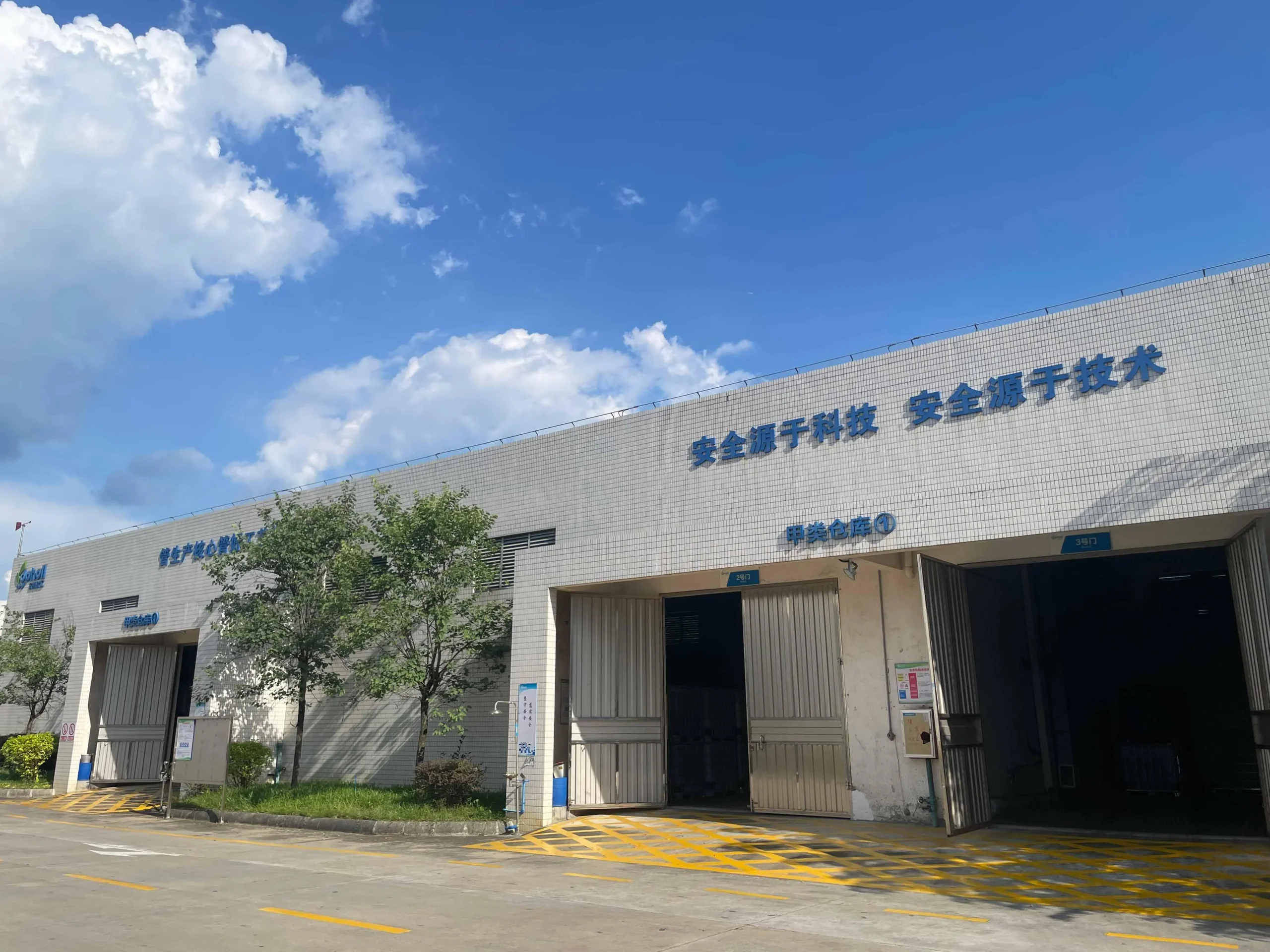
- Environmentally safe processes with zero wastewater discharge.
- Certified under ISO9001 / ISO14001 / REACH / RoHS.
Core Product Portfolio:
- AEO-3 / NP-10: cURL Too many subrequests.
- P204: cURL Too many subrequests.
- cURL Too many subrequests. cURL Too many subrequests.
cURL Too many subrequests.
cURL Too many subrequests. Europe, Southeast Asia, and South America, cURL Too many subrequests.
cURL Too many subrequests.
cURL Too many subrequests.
From cURL Too many subrequests. to cURL Too many subrequests., cURL Too many subrequests.
cURL Too many subrequests.
cURL Too many subrequests.
📧 Имейл: dohollchemical@gmail.com
📱 WhatsApp: +86 139 0301 4781
cURL Too many subrequests.
 Bulgarian
  English (United States)
  Russian
  German
  Turkish
  Spanish (Spain)
  Arabic
  French
  Vietnamese
  Indonesian
  Danish
  Japanese
  Bengali
  Greek
Greek  Tahitian
  Uzbek
Uzbek  English (Canada)
  Afrikaans
  Spanish (Venezuela)
  Assamese
  Tibetan
  Cebuano
  Amharic
  South Azerbaijani
  Belarusian
  Czech
Czech  Spanish (Argentina)
  Catalan
  Italian
  Moroccan Arabic
  German (Austria)
  Spanish (Chile)
  Ukrainian