ནང་དོན་ལ་མཆོང་།
The performance of any lubricant or oil doesn’t depend solely on its base fluid — it’s the additives that define its strength, protection, and lifespan. From high-speed engines to industrial gear systems, selecting the right additive blend ensures smooth operation under stress.
The best additives for oil and lubricant formulations are phosphate esters, zinc dialkyldithiophosphates (ZDDP), antioxidants, dispersants, and anti-foam agents — each improving wear resistance, oxidation stability, and thermal protection.
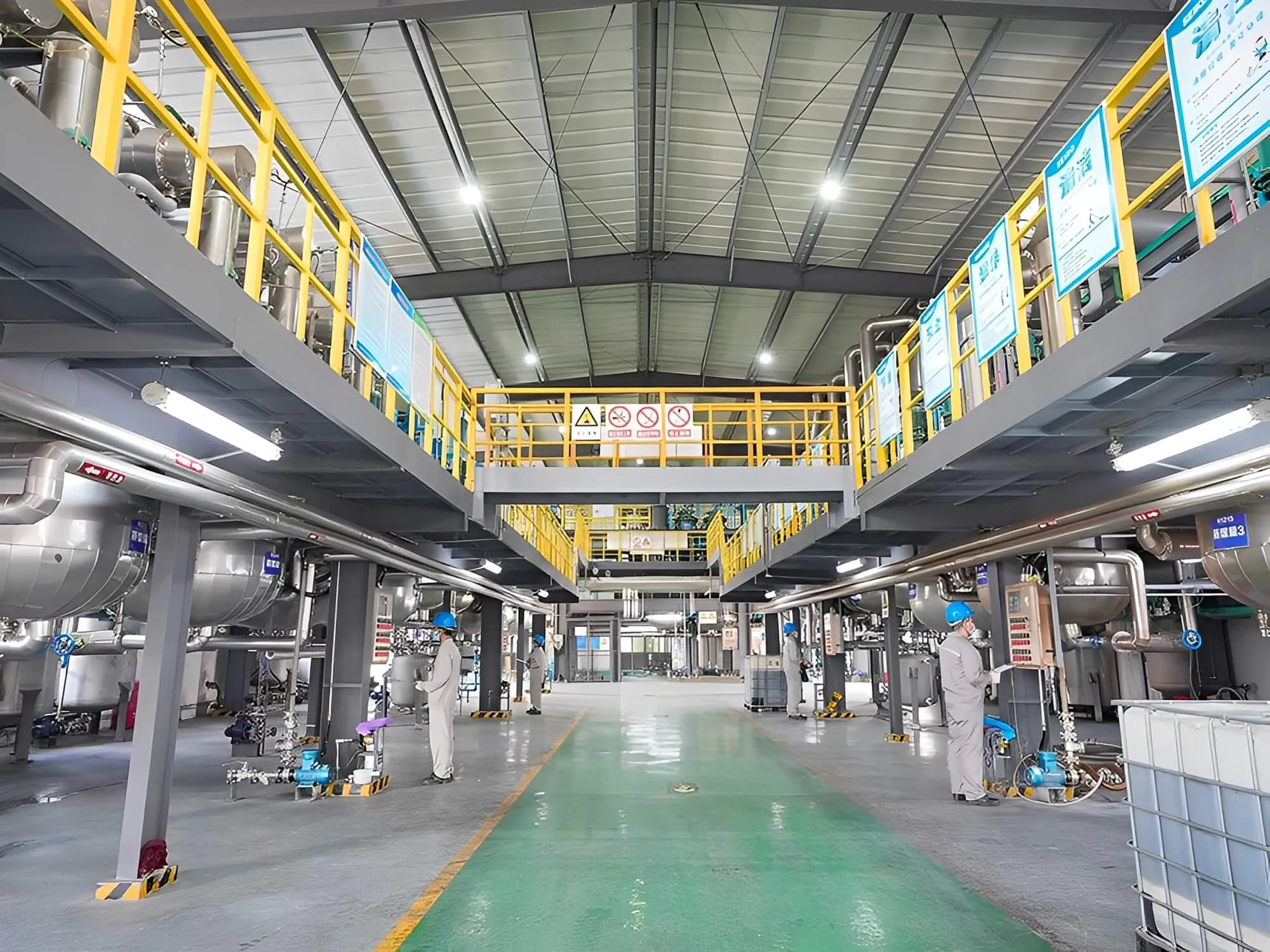
Additives are not just optional enhancers; they’re essential chemical tools that protect equipment, extend oil life, and reduce maintenance costs. Let’s break down which ones matter most — and why phosphate esters stand out as the modern industry favorite.
1. Why Additives Are Critical in Lubricant Formulations
Base oils — whether mineral, synthetic, or bio-based — provide the body of a lubricant but lack the functional properties required for harsh environments.
Additives tailor the oil’s chemistry to handle:
- Friction and metal-to-metal wear
- High temperatures and oxidation
- Moisture and corrosion
- Foam formation
- Contaminant buildup
Without these functional additives, lubricants would oxidize rapidly, lose viscosity, and fail to protect machinery under load or pressure.
2. Phosphate Esters — The Backbone of Modern Lubricant Additives
Among all additives, ཕོ་སི་ཕེཊ་ཨེསི་ཊར། play the most versatile and critical role. Their structure — combining polar phosphate groups with hydrophobic organic tails — provides unique chemical stability and surface protection.
Phosphate esters act as anti-wear agents, flame retardants, and corrosion inhibitors in oils and hydraulic fluids.
ཁྱད་ཆོས་གཙོ་བོ།
- Excellent Anti-Wear Protection:
They form a thin, protective phosphate layer on metal surfaces under heat, reducing scuffing and micro-welding. - Thermal and Oxidation Stability:
Suitable for temperatures above 250°C, especially in turbines and compressors. - Fire Resistance:
Triaryl phosphate esters (like TCP and TPP) are self-extinguishing, making them vital in aviation and steel mill systems. - Corrosion and Rust Inhibition:
Acidic phosphate esters protect ferrous and non-ferrous metals. - Compatibility with Synthetic and Mineral Oils:
Blends easily with polyalphaolefins (PAO), esters, and silicones.
Common Phosphate Ester Types in Lubricants
| Ester Type | Structure | Primary Function |
|---|---|---|
| Triaryl (TCP, TPP) | Aromatic | Fire-resistant base fluids |
| Trialkyl (TBP, TEHP) | Aliphatic | Plasticizer and anti-wear additive |
| Alkyl Aryl (IPPP) | Mixed | Balanced wear and oxidation resistance |
| Acid Phosphate Esters | cURL Too many subrequests. | cURL Too many subrequests. |
cURL Too many subrequests.
- cURL Too many subrequests.
- cURL Too many subrequests.
cURL Too many subrequests.
cURL Too many subrequests.
cURL Too many subrequests.
cURL Too many subrequests.
cURL Too many subrequests.
- cURL Too many subrequests.
- cURL Too many subrequests.
- cURL Too many subrequests.
cURL Too many subrequests.
- cURL Too many subrequests.
- cURL Too many subrequests.
cURL Too many subrequests. cURL Too many subrequests.

cURL Too many subrequests.
Oxidation is a major cause of oil degradation. Antioxidants extend lubricant life by neutralizing free radicals that form during high-temperature operation.
Types
- Aminic Antioxidants: Secondary amines that scavenge free radicals.
- Phenolic Antioxidants: Hindered phenols that delay oxidative chain reactions.
- Phosphite Antioxidants: Decompose hydroperoxides and stabilize phosphate esters.
བེད་སྤྱོད།
Used in all synthetic and mineral oil systems, especially in gear oils, hydraulic fluids, and turbine lubricants.
cURL Too many subrequests. 0.5–2%.
5. Detergents and Dispersants — Keeping the Oil Clean
These additives prevent sludge and soot from settling in engines or industrial systems.
- Detergents: Neutralize acids and clean deposits. (Common examples: calcium sulfonate, magnesium phenate)
- བརྡུལ་བརྡུལ་མཁན། Keep particles suspended for easy filtration. (Common examples: succinimide derivatives)
cURL Too many subrequests.
- Prevent deposit formation
- Improve cleanliness of pistons and gears
- Enhance oil oxidation stability when paired with ZDDP or phosphate esters
cURL Too many subrequests. 2–8% depending on the oil type.
6. Anti-Foam and Defoaming Agents — For Stable Performance Under Stress
Foam causes air entrapment, cavitation, and poor lubrication. Anti-foam agents minimize foam formation during high-speed operations.
Common Additives
- Silicone-based surfactants (for general systems)
- མེ་མེད་སྤུངས་ལ་ལོག་འབུལ་བའི་སྤུངས་ལ་ལོག་འབུལ། (dual-function surfactant + foam control)
- Fluorinated surfactants (for specialized high-temperature uses)
Dosage:
Tiny amounts — 0.01–0.1% — are sufficient to suppress foam effectively.
7. Corrosion and Rust Inhibitors — Extending Metal Life
Moisture and acids can attack metal surfaces in lubricating systems. མེ་མེད་སྤུངས་ལ་ལོག་འབུལ་བའི་སྤུངས་ལ་ལོག་འབུལ།, amines, དང། imidazolines are effective at forming hydrophobic barriers.
བེད་སྤྱོད།
- Hydraulic and compressor oils
- Marine lubricants
- Gear oils
cURL Too many subrequests.
cURL Too many subrequests. cURL Too many subrequests.
cURL Too many subrequests.
cURL Too many subrequests.
cURL Too many subrequests.
- cURL Too many subrequests.
- cURL Too many subrequests.
- cURL Too many subrequests.
cURL Too many subrequests. cURL Too many subrequests. cURL Too many subrequests.
cURL Too many subrequests.
cURL Too many subrequests.
cURL Too many subrequests.
| cURL Too many subrequests. | Result |
|---|---|
| cURL Too many subrequests. | cURL Too many subrequests. |
| cURL Too many subrequests. | Long-term high-temperature protection |
| Phosphate ester + Detergent/dispersant | Cleaner system and reduced sludge |
| Phosphate ester + Silicone anti-foam | Balanced lubrication and air release |
| Phosphate ester + Friction modifier | Improved efficiency and smoother operation |
Phosphate esters are particularly valuable because they act as both a lubricant additive and a co-functional component, improving system compatibility and stability.
Dive Deeper: Choosing the Right Additive Package by Application
| བེད་སྤྱོད། | Additive Focus | Typical Additive Blend |
|---|---|---|
| Engine Oils | Anti-wear, detergent, antioxidant | ZDDP + dispersant + phosphate ester |
| Hydraulic Fluids | Fire resistance, anti-foam | Triaryl phosphate ester + silicone defoamer |
| Gear Oils | Load-carrying capacity | Phosphate ester + sulfurized EP agent |
| Compressor Oils | Thermal stability | Triaryl phosphate + amine antioxidant |
| Metalworking Fluids | Lubricity, corrosion protection | Acid phosphate ester + nonionic surfactant |
| Aviation & Turbine Oils | Fire resistance, oxidation stability | TCP + phenolic antioxidant |
Every system needs a custom balance — too little additive means failure, too much can cause instability. The key is tailored chemistry based on operation temperature, metal type, and speed.
Dive Deeper: Future Trends — Toward Eco-Friendly Additives
Sustainability is reshaping lubricant chemistry. The next generation of additives focuses on bio-based phosphate esters, ashless anti-wear agents, དང། halogen-free flame retardants.
Emerging technologies include:
- Biodegradable phosphate esters from natural alcohols
- Phosphorus-free alternatives with similar boundary-film protection
- cURL Too many subrequests. cURL Too many subrequests.
cURL Too many subrequests.
མཐའ་མའི་བསམ་ཚུལ།
cURL Too many subrequests.
cURL Too many subrequests., ཕོ་སི་ཕེཊ་ཨེསི་ཊར། cURL Too many subrequests. cURL Too many subrequests., cURL Too many subrequests., cURL Too many subrequests., དང། cURL Too many subrequests. cURL Too many subrequests.
cURL Too many subrequests.
སུན་ཛོ་རྨང་གཞིའི་བཟོ་སྐྲུན་ལ་འབྲེལ་བ་བྱེད་པ།
cURL Too many subrequests.
📧 གློག་འཕྲིན་ཁ་བྱང་།: dohollchemical@gmail.com
📱 ཝ་ཊ་སེབ་: +86 139 0301 4781
 Tibetan
  English (United States)
  Russian
  German
  Turkish
  Spanish (Spain)
  Arabic
  French
  Vietnamese
  Indonesian
  Danish
  Japanese
  Bengali
  Greek
Greek  Tahitian
  Uzbek
Uzbek  English (Canada)
  Afrikaans
  Spanish (Venezuela)
  Bulgarian
  Assamese
  Cebuano
  Amharic
  South Azerbaijani
  Belarusian
  Czech
Czech  Spanish (Argentina)
  Catalan
  Italian
  Moroccan Arabic
  German (Austria)
  Spanish (Chile)
  Ukrainian