
སྔོན་འགྲོའི་དོན་ཚན།:
Phosphate esters are vital in coatings, lubricants, and textiles — but like all industrial chemicals, they require careful handling to stay safe and stable.
ཟུར་བཀོད་དོན་ཚན།:
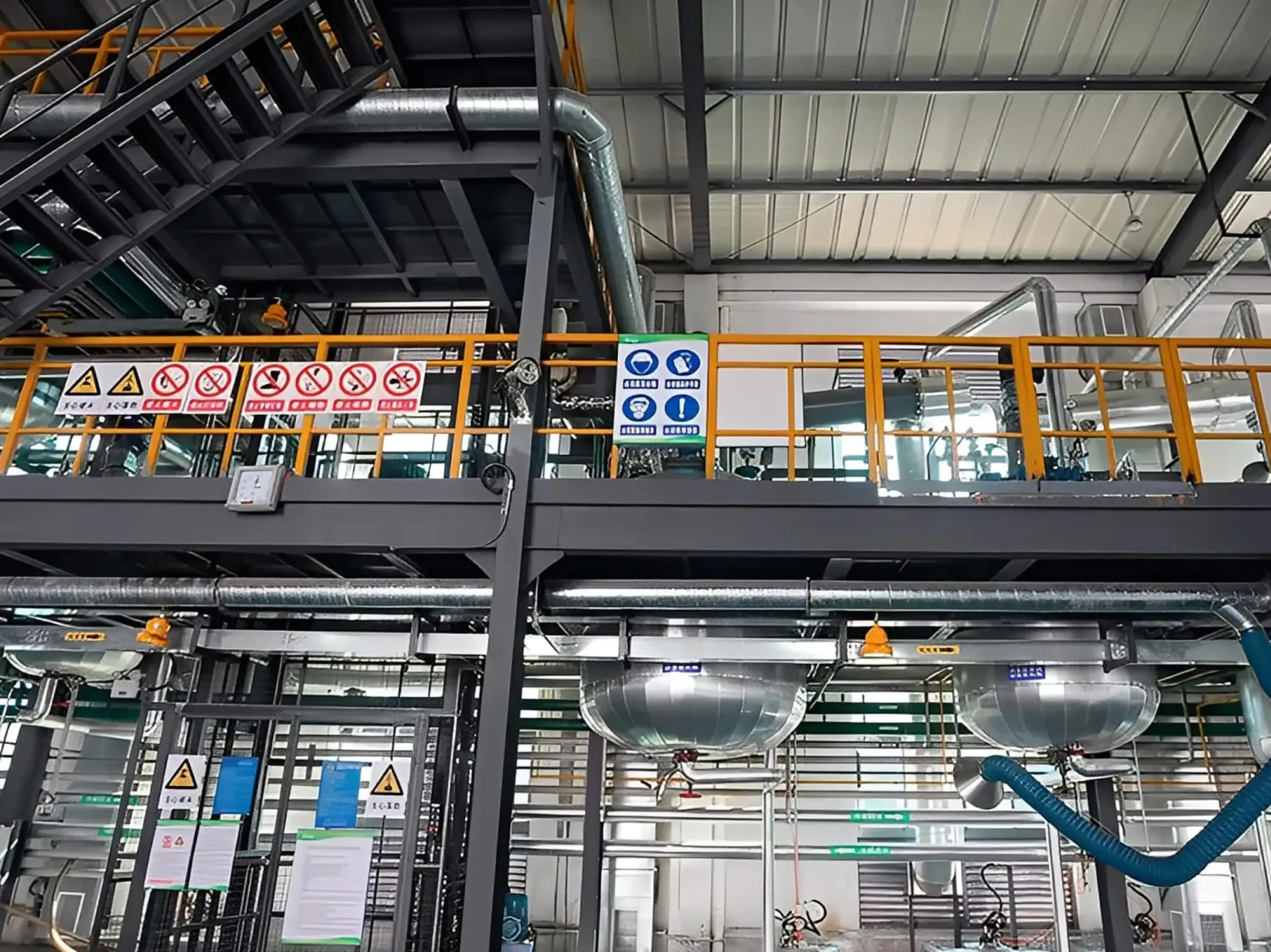
To handle and store phosphate esters safely, maintain cool, dry, and ventilated conditions (20–40°C), avoid contact with strong oxidizers, and use proper protective equipment such as gloves, goggles, and chemical-resistant containers. Always follow MSDS and ISO safety guidelines for transportation and long-term storage.
འཕོ་འགྱུར་དོན་ཚན།:
Even high-purity phosphate esters, such as those from དོང་ཧོང་རྫས་འགྱུར་, must be managed with precision to prevent degradation or accidental exposure. This guide covers safe handling practices, storage recommendations, and emergency response measures to help you maintain product integrity and workplace safety.
Understanding the Nature of Phosphate Esters
སྔོན་འགྲོའི་དོན་ཚན།:
Before managing phosphate esters, it’s important to understand their chemistry — because how they behave determines how they must be stored.
ཟུར་བཀོད་དོན་ཚན།:
མེ་མེད་སྤུངས་ལ་ལོག་འབུལ་བའི་སྤུངས་ལ་ལོག་འབུལ། are organic phosphorus compounds derived from phosphoric acid and alcohols. They are used as surfactants, lubricants, emulsifiers, flame retardants, and extractants across industries like coatings, textiles, and metallurgy.
Typical Properties:
| පරාමිති | Typical Range |
|---|---|
| ལུས་སྟོན | ཁ་དོག་དྭངས་ཤིང་སེར་སྐྱ་ཡིན། |
| ཧུད་སྤྱོད | cURL Too many subrequests. |
| རྒྱལ་སྤྱོད་ཚད | 0.1–0.3 (neutral) / 80–150 (acidic) mgKOH/g |
| མེར་མཚམས་སྟོན | 110–220°C (depending on type) |
| འདུ་འགྱེད། | Soluble in organic solvents, slightly soluble in water |
Because some phosphate esters are acidic, they can react with metals or bases. Others, like triesters (TEP, TOP, TBP), are neutral but still sensitive to heat and moisture. Knowing which type you’re dealing with determines your safety measures.
General Handling Precautions
སྔོན་འགྲོའི་དོན་ཚན།:
Phosphate esters are stable under normal conditions, but they should always be handled with respect and consistency.
ཟུར་བཀོད་དོན་ཚན།:
Follow these guidelines during daily operations, production use, or laboratory testing.
1. Personal Protective Equipment (PPE):
- Wear chemical-resistant gloves (nitrile or neoprene).
- cURL Too many subrequests. safety goggles or a face shield to protect eyes.
- Wear long-sleeve lab coats or chemical aprons.
- cURL Too many subrequests. respiratory protection if vapor or mist is generated.
2. Workplace Conditions:
- Ensure adequate ventilation or localized exhaust near reaction zones.
- Avoid direct skin contact or inhalation of mist/vapors.
- Do not eat, drink, or smoke in chemical handling areas.
- cURL Too many subrequests. anti-static flooring to prevent ignition from electrostatic discharge.
3. Material Handling:
- cURL Too many subrequests. stainless steel, HDPE, or lined containers — avoid bare carbon steel.
- Keep containers tightly sealed when not in use.
- Avoid contamination with alkalis, amines, or oxidizers.
- Always use grounded transfer pumps to minimize static buildup.
4. Training and Documentation:
- Ensure all personnel are trained in MSDS (Material Safety Data Sheet) compliance.
- Label every container clearly with chemical name, hazard class, and date of receipt.
- Maintain inventory control for traceability.

Safe Storage Requirements
སྔོན་འགྲོའི་དོན་ཚན།:
Proper storage prevents product degradation and protects personnel from accidental exposure.
ཟུར་བཀོད་དོན་ཚན།:
Phosphate esters should be stored in cool, dry, and well-ventilated areas, away from reactive substances and direct sunlight.
Temperature and Environment:
- Optimal storage temperature: 20–40°C.
- Avoid freezing (<10°C) and overheating (>50°C).
- Store in a shaded, temperature-controlled warehouse.
- Prevent direct exposure to UV light or radiant heat sources.
Storage Containers:
- cURL Too many subrequests. sealed HDPE drums, epoxy-lined metal tanks, ཡང་ན། IBC containers.
- Do not use unlined carbon steel tanks (may react with acidic esters).
- Nitrogen blanketing is recommended for large storage tanks to prevent oxidation.
Segregation and Compatibility:
| Incompatible With | Reason |
|---|---|
| Strong oxidizers (e.g., nitric acid, peroxides) | Fire and reaction hazard |
| Strong bases (e.g., NaOH, KOH) | Neutralization and decomposition |
| Metal catalysts (iron, copper, zinc) | May cause discoloration or hydrolysis |
| Moisture and humidity | Leads to hydrolysis and acid formation |
Storage Duration:
- Shelf life: 12–24 months under recommended conditions.
- Periodically test acid value, color, and purity for long-term storage verification.
Transporting Phosphate Esters
སྔོན་འགྲོའི་དོན་ཚན།:
Transportation safety is just as important as storage safety — especially for export-grade chemicals.
ཟུར་བཀོད་དོན་ཚན།:
Follow international standards such as IMDG, ADR, ཡང་ན། IATA for safe transport of liquid chemicals.
Transportation Guidelines:
- cURL Too many subrequests. sealed and labeled containers (200 kg drums or 1000 L IBC tanks).
- Ensure packaging meets UN-certified standards for liquid chemicals.
- Keep away from strong acids, oxidizers, or heat sources during shipping.
- Monitor temperature during long-distance transit.
- Load securely to prevent container movement or rupture.
དོང་ཧོང་རྫས་འགྱུར་ exports phosphate esters globally in moisture-proof HDPE drums with tamper-evident seals, ensuring product integrity upon arrival.
Spill and Leak Response Procedures
སྔོན་འགྲོའི་དོན་ཚན།:
Even with best practices, accidents can happen — and a well-prepared response plan minimizes damage.
ཟུར་བཀོད་དོན་ཚན།:
In case of a spill or leak, prioritize safety and containment before cleanup.
1. Evacuation and Isolation:
- Evacuate non-essential personnel.
- Ventilate the area and shut down ignition sources.
2. Containment:
- cURL Too many subrequests. sand, earth, or inert absorbents to stop the spread.
- Prevent runoff into drains, sewers, or waterways.
3. Cleanup:
- Collect absorbed material in labeled waste containers.
- Wash surfaces with mild detergent and water.
- Dispose of waste according to local hazardous waste regulations.
4. Personal Safety:
- Wear full PPE during cleanup.
- Avoid using high-pressure water or solvents for dilution.
Fire and Emergency Safety
སྔོན་འགྲོའི་དོན་ཚན།:
Though phosphate esters are less flammable than hydrocarbons, high temperatures can still pose a fire hazard.
ཟུར་བཀོད་དོན་ཚན།:
Phosphate esters decompose under excessive heat, releasing phosphorus oxides and carbon compounds. Knowing the right firefighting methods is essential.
Fire Response:
- Suitable Extinguishing Media: Dry chemical, foam, or CO₂.
- Avoid: Direct water jet — may spread the liquid.
- Firefighting PPE: Self-contained breathing apparatus and full protective gear.
- Fire Products: Phosphorus oxides, carbon monoxide, and CO₂.
Prevention:
- Keep storage away from heat sources and sparks.
- Maintain grounding on transfer equipment.
- Install fire-resistant flooring and drainage in storage zones.
Waste Disposal and Environmental Safety
སྔོན་འགྲོའི་དོན་ཚན།:
Responsible disposal ensures environmental protection and regulatory compliance.
ཟུར་བཀོད་དོན་ཚན།:
Never dispose of phosphate esters directly into soil or water systems. Follow local environmental laws and Donghong’s sustainability standards.
Waste Handling:
- Neutralize small acidic residues before disposal.
- Collect contaminated absorbents and residues as hazardous waste.
- cURL Too many subrequests. authorized waste treatment or incineration facilities.
- Document waste volume and disposal method for compliance audits.
Environmental Benefits of Donghong Chemical’s Products:
- Biodegradability ≥90% (OECD 301).
- Non-halogenated, non-toxic formulations.
- Closed-loop solvent recovery system (≥95% efficiency).
Why Choose Donghong Chemical’s Safe-Handled Phosphate Esters
דאָנגהאָנג כעמיקאַלס (འབྲུག་ཡུལ།, טשיינאַ) is a global producer of cURL Too many subrequests. with a focus on safety, quality, and sustainability.
ཐོན་རྫས་ཀྱི་ཁྱབ་ཚད།:
- AEO-3 / NP-10 Phosphate Esters: Surfactants for textiles and coatings.
- པི་༢༠༤ (༢-ཨི་ཐིལ་ཧེག་སིལ་ ཕོ་སི་ཕེཊ)། Acidic ester for metal extraction and anti-corrosion systems.
- cURL Too many subrequests. Neutral esters for flame retardant and lubricant applications.
Safety & Quality Assurance:
- ISO9001 / ISO14001 / REACH / RoHS certified.
- Strict QC testing for purity, color, and acid value.
- Safe export packaging (HDPE drums, IBC tanks).
- Technical data sheets (TDS) and MSDS provided with every shipment.
Conclusion: Safety Starts with Chemistry
Safe handling and storage of phosphate esters are fundamental to maintaining product quality, protecting workers, and ensuring compliance.
By following proper temperature control, containment, PPE usage, and emergency procedures, industries can use these valuable chemicals efficiently and responsibly.
With its high-purity products, detailed safety documentation, and sustainable production, དོང་ཧོང་རྫས་འགྱུར་ supports customers worldwide in achieving both performance and safety excellence.
For technical data sheets or safety consultation:
📧 གློག་འཕྲིན། dohollchemical@gmail.com
📱 واٹس ایپ: +86 139 0301 4781
Donghong Chemical — Trusted manufacturer of phosphate esters and surfactants, promoting safety, sustainability, and reliability in global chemical operations.
 Tibetan
  English (United States)
  Russian
  German
  Turkish
  Spanish (Spain)
  Arabic
  French
  Vietnamese
  Indonesian
  Danish
  Japanese
  Bengali
  Greek
Greek  Tahitian
  Uzbek
Uzbek  English (Canada)
  Afrikaans
  Spanish (Venezuela)
  Bulgarian
  Assamese
  Cebuano
  Amharic
  South Azerbaijani
  Belarusian
  Czech
Czech  Spanish (Argentina)
  Catalan
  Italian
  Moroccan Arabic
  German (Austria)
  Spanish (Chile)
  Ukrainian