
Improper disposal of chemical waste can harm the environment, damage equipment, and even cause regulatory violations. Whether you work in a laboratory, factory, or construction site, understanding how to manage chemical waste safely is a critical part of responsible industrial practice.
Chemical waste should always be segregated, labeled, stored, and treated according to its type — with disposal handled by certified waste management services or following approved neutralization and recovery protocols.
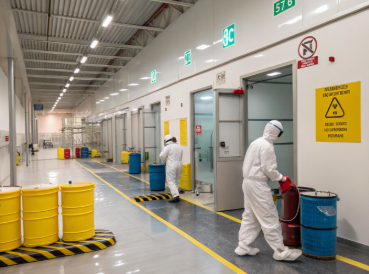
In this guide, I’ll walk you through how to identify, handle, and dispose of chemical waste properly — based on industrial best practices and environmental safety standards.
1. Why Proper Chemical Waste Disposal Matters
Every chemical you use — from simple solvents to complex phosphate esters or surfactants — leaves a residue. When discarded improperly, these residues can:
- Contaminate soil and groundwater
- Corrode pipelines and equipment
- Release toxic gases or vapors
- Harm workers and nearby communities
Proper disposal protects both the environment and your operation’s reputation. In many regions, it’s also legally required under environmental protection laws.
2. Identify and Classify Your Chemical Waste
The first step is to identify what type of chemical waste you’re dealing with. Misidentification can lead to dangerous reactions during storage or transport.
Common Waste Categories
| གཞི་རིམ་ལས་སྤྱོད་ལུས་ལ་སྤྱོད་ལུས་ལུས་ལུས་ལུས། | Examples | Disposal Priority |
|---|---|---|
| Acidic Waste | Phosphoric acid, acid phosphate esters | Neutralize before disposal |
| Alkaline Waste | Caustic cleaning solutions | Neutralize before discharge |
| Organic Solvent Waste | Alcohols, toluene, acetone | Recycle or incinerate |
| Heavy Metal Waste | Zinc, chromium, lead solutions | Collect separately for recovery |
| Oil and Lubricant Waste | Used oils, phosphate ester fluids | Send to certified re-refiners |
| Aqueous Process Waste | Wash water with surfactants | Treat via biological or chemical systems |
| cURL Too many subrequests. | cURL Too many subrequests. | cURL Too many subrequests. |
མདོར་བསྡུས།: cURL Too many subrequests. cURL Too many subrequests. cURL Too many subrequests.
cURL Too many subrequests.
cURL Too many subrequests. cURL Too many subrequests.. cURL Too many subrequests.
cURL Too many subrequests.
- cURL Too many subrequests. cURL Too many subrequests. cURL Too many subrequests.
- cURL Too many subrequests. cURL Too many subrequests.
- cURL Too many subrequests. cURL Too many subrequests. cURL Too many subrequests.
- cURL Too many subrequests. cURL Too many subrequests. separate for easier treatment.
Color-coded labeling systems (red for flammables, yellow for acids, blue for alkalis, etc.) make compliance easier.
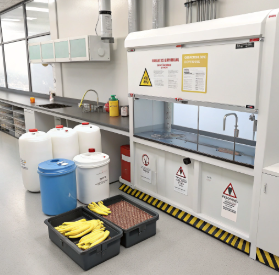
4. Store Waste Safely Before Disposal
Temporary storage must meet safety and regulatory standards.
Best Practices for Storage
- cURL Too many subrequests. chemical-resistant containers — typically HDPE or stainless steel.
- Keep lids tightly sealed to prevent evaporation or contamination.
- Place containers in bunded areas or secondary containment trays.
- Avoid direct sunlight and high temperatures.
- Post clear hazard signage in storage areas.
Storage Duration Tip:
Don’t store chemical waste for longer than 90 days unless you’re a certified hazardous waste facility.
5. Neutralize and Treat Waste When Possible
Some chemical wastes can be neutralized or treated on-site to make them safer for disposal.
cURL Too many subrequests.
- Acid or base waste: Adjust pH to 6–8 using neutralizing agents (lime or citric acid).
- Solvent waste: Distill and reuse if possible.
- Oil and phosphate ester waste: Filter and reclaim for secondary industrial use.
- Surfactant residues: Use chemical oxidation or biological treatment to break down organic matter.
Warning: Only trained personnel should perform neutralization — uncontrolled reactions can be hazardous.
6. Work with Certified Waste Management Companies
For most industries, the safest and most compliant way to dispose of chemical waste is to partner with a licensed waste treatment company.
What They Provide
- ལག་ཁྱེར་ཐོབ་པ། transport and storage containers
- Chemical analysis and classification services
- cURL Too many subrequests.
- cURL Too many subrequests. cURL Too many subrequests.
cURL Too many subrequests.
Pro Tip: Request cURL Too many subrequests. cURL Too many subrequests.
cURL Too many subrequests.
cURL Too many subrequests.
cURL Too many subrequests.
- cURL Too many subrequests.
- cURL Too many subrequests.
- cURL Too many subrequests.
- cURL Too many subrequests.
cURL Too many subrequests. cURL Too many subrequests. cURL Too many subrequests.
cURL Too many subrequests.
cURL Too many subrequests. cURL Too many subrequests., cURL Too many subrequests. organic phosphorus content and potential aquatic toxicity.
Proper Disposal Options
- Recycling: Distillation and reuse for lubricant or hydraulic fluid production.
- Incineration: Complete thermal destruction at licensed facilities.
- Adsorption treatment: Activated carbon for liquid residues.
- Neutralization: Adjust pH if acid esters are present.
Never discharge these substances directly into sewers — they can persist in the environment and harm aquatic organisms.
9. Environmental and Legal Regulations to Follow
Depending on your country, chemical waste management may be governed by:
- EPA (U.S.) Resource Conservation and Recovery Act (RCRA)
- EU Waste Framework Directive (2008/98/EC)
- China’s Hazardous Waste Management Regulation (2020)
- ISO 14001 Environmental Management System standards
Compliance not only ensures legal safety but also strengthens your company’s sustainability credentials.
Dive Deeper: Building a Waste Management Culture
Proper disposal isn’t just a one-time act — it’s part of company culture.
To build long-term compliance:
- Train staff regularly on handling hazardous materials.
- Post disposal flowcharts near waste stations.
- Appoint a waste safety officer.
- Conduct annual waste audits and mock drills.
- Reward teams for achieving zero-incident waste management.
This culture ensures safety and operational excellence at every level.
Dive Deeper: Sustainable Alternatives to Reduce Chemical Waste
Reducing waste is even better than treating it.
Here are some strategies to minimize chemical waste at the source:
- Adopt closed-loop systems for solvents and cooling fluids.
- Switch to bio-based phosphate esters and biodegradable surfactants.
- Use precision dosing to prevent overuse of additives.
- Recycle rinse water through filtration or ion exchange systems.
- Collaborate with suppliers cURL Too many subrequests.
cURL Too many subrequests.
མཐའ་མའི་བསམ་ཚུལ།
cURL Too many subrequests. cURL Too many subrequests., cURL Too many subrequests.
cURL Too many subrequests. cURL Too many subrequests., cURL Too many subrequests.
སུན་ཛོ་རྨང་གཞིའི་བཟོ་སྐྲུན་ལ་འབྲེལ་བ་བྱེད་པ།
cURL Too many subrequests.
📧 གློག་འཕྲིན་ཁ་བྱང་།: dohollchemical@gmail.com
📱 ཝ་ཊ་སེབ་: +86 139 0301 4781
 Tibetan
  English (United States)
  Russian
  German
  Turkish
  Spanish (Spain)
  Arabic
  French
  Vietnamese
  Indonesian
  Danish
  Japanese
  Bengali
  Greek
Greek  Tahitian
  Uzbek
Uzbek  English (Canada)
  Afrikaans
  Spanish (Venezuela)
  Bulgarian
  Assamese
  Cebuano
  Amharic
  South Azerbaijani
  Belarusian
  Czech
Czech  Spanish (Argentina)
  Catalan
  Italian
  Moroccan Arabic
  German (Austria)
  Spanish (Chile)
  Ukrainian