ནང་དོན་ལ་མཆོང་།
སྔོན་འགྲོའི་དོན་ཚན།:
Every drop of detergent, paint, or textile dyeing solution hides a powerful piece of chemistry — the surfactant molecule.
ཟུར་བཀོད་དོན་ཚན།:
A surfactant’s molecular structure consists of two distinct parts: a hydrophilic (water-attracting head) དེ་བཞིན། hydrophobic (oil-attracting tail). This dual nature allows surfactants to reduce surface tension, enabling liquids to mix, spread, or clean effectively across countless industrial and consumer applications.

འཕོ་འགྱུར་དོན་ཚན།:
Understanding the molecular structure of surfactants is key to mastering their function — from textile dyeing to coating formulations. In this guide, we’ll explore the components, classifications, and structure–function relationships of surfactants, and show how ཏུང་ཧོང་རྫས་འགྱུར་གྱི་ཕོ་སི་ཕேட்ཨེ་སི་ཊར་གྱི་ཞུན་མདའི་རྫས། represent the perfect balance between science and industrial performance.
What Is a Surfactant?
སྔོན་འགྲོའི་དོན་ཚན།:
At the molecular level, surfactants are the architects of interfaces — controlling how liquids behave when they meet other substances.
ཟུར་བཀོད་དོན་ཚན།:
A surfactant (surface-active agent) is a molecule that lowers the surface tension between two phases (liquid–gas, liquid–liquid, or liquid–solid). Its structure gives it the ability to align at interfaces, improving wetting, emulsifying, and dispersing.
General Structure:
- Hydrophilic head: Polar, water-loving region.
- Hydrophobic tail: Non-polar, oil-loving carbon chain.
Key Property:
Because of this amphiphilic structure, surfactants self-assemble into micelles — spherical clusters that trap oils, pigments, or dirt, allowing them to mix with water.
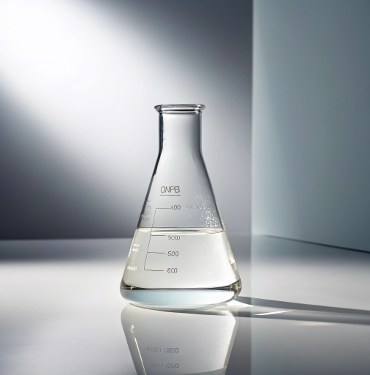
The Two Main Parts of a Surfactant Molecule
སྔོན་འགྲོའི་དོན་ཚན།:
Every surfactant molecule is a study in balance — one side attracts water, the other repels it.
ཟུར་བཀོད་དོན་ཚན།:
The function of a surfactant depends on the chemistry of its polar head group དང། སྣུམ་ལ་དགའ་བའི་རྔ་མ་. These two regions work together to determine solubility, foaming behavior, and interfacial activity.
1. Hydrophilic (Polar) Head Group
- Usually contains ionic or polar functional groups such as:
- Sulfates (-SO₄⁻)
- Sulfonates (-SO₃⁻)
- Carboxylates (-COO⁻)
- Phosphate (-PO₄⁻)
- Quaternary ammonium (+NR₄)
- Polyoxyethylene (-O-(CH₂CH₂O)ₙH)
This group makes the molecule soluble in water and determines whether it behaves as anionic, cationic, nonionic, or amphoteric.
2. Hydrophobic (Non-Polar) Tail
- Typically a long-chain hydrocarbon (C₈–C₁₈) derived from fatty alcohols or petroleum.
- cURL Too many subrequests. cURL Too many subrequests. cURL Too many subrequests.
- cURL Too many subrequests. cURL Too many subrequests..
cURL Too many subrequests. cURL Too many subrequests. cURL Too many subrequests.
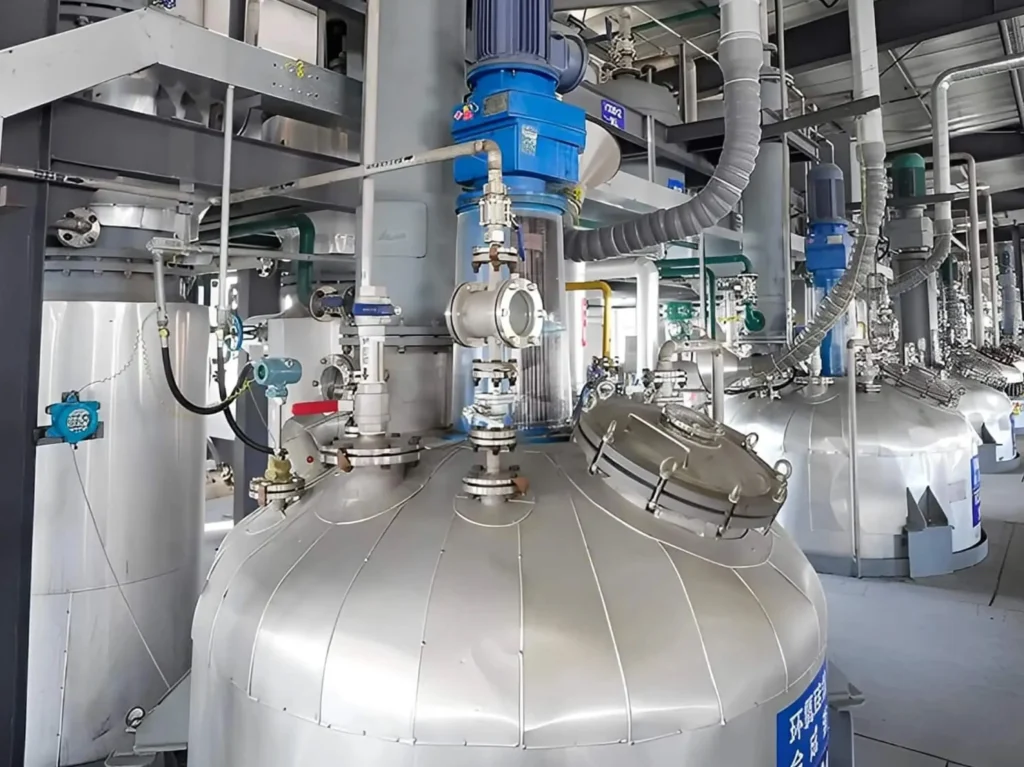
cURL Too many subrequests.
སྔོན་འགྲོའི་དོན་ཚན།:
cURL Too many subrequests.
ཟུར་བཀོད་དོན་ཚན།:
cURL Too many subrequests. cURL Too many subrequests. cURL Too many subrequests. cURL Too many subrequests..
| གཞི་རིམ་ལས་སྤྱོད་ལུས་ལ་སྤྱོད་ལུས་ལུས་ལུས་ལུས། | ආරෝපණය | cURL Too many subrequests. | cURL Too many subrequests. | cURL Too many subrequests. |
|---|---|---|---|---|
| ཨ་ནི་ཡོནིག | མི་མཐུན་པ། | cURL Too many subrequests. | AEO-3 ཕོ་སི་ཕேட்ཨེ་སི་ཊར། | cURL Too many subrequests. |
| ཀེ་ཊི་ཨོ་ནིག | མཐུན་པ། | Quaternary ammonium | Cetyltrimethylammonium bromide | Fabric softeners, antistatic agents |
| ནོན་ཨོ་ནིག | མེད། | Polyoxyethylene chain | Fatty alcohol ethoxylate | Emulsifiers, detergents, coatings |
| སྐྱུར་གཞི་གཉིས་ལྡན། | Dual (+/-) | Betaine or amine oxide | Cocamidopropyl betaine | Mild cleaners, dyeing stabilizers |
cURL Too many subrequests. (e.g., AEO-3 and NP-10 from དོང་ཧོང་རྫས་འགྱུར་) are anionic to amphiphilic, offering excellent wetting, dispersing, and corrosion-inhibiting properties across multiple industries.
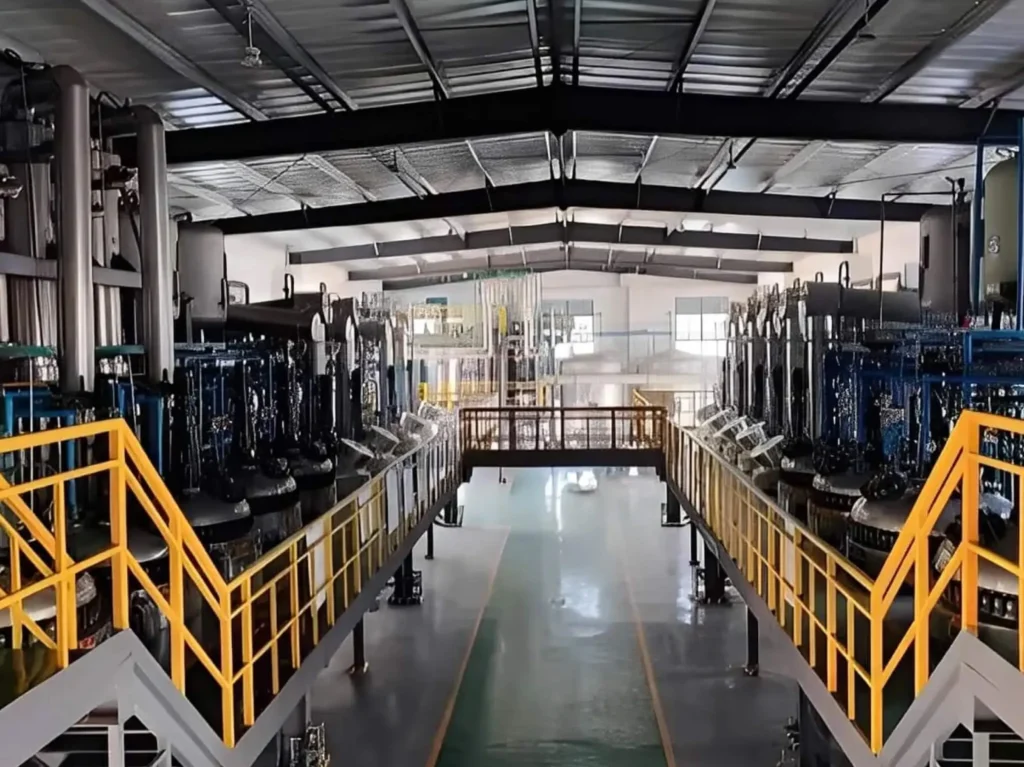
How Molecular Structure Determines Function
སྔོན་འགྲོའི་དོན་ཚན།:
A small change in molecular structure can transform a surfactant’s behavior entirely.
ཟུར་བཀོད་དོན་ཚན།:
Surfactant performance — from foam generation to surface adhesion — depends on chain length, head group polarity, and molecular geometry.
1. Chain Length
- Short chains (C₆–C₈): Highly water-soluble, good for wetting and low-foam applications.
- Medium chains (C₁₀–C₁₄): Balanced detergency and emulsification.
- Long chains (C₁₆–C₁₈): Stronger hydrophobic interactions, suitable for heavy-duty emulsifiers.
2. Head Group Type
- Ionic heads (sulfate, phosphate): Strong detergency and wetting.
- Nonionic heads (ethoxylates): Low foaming and broad compatibility.
- Amphoteric heads: Adjustable behavior across pH range.
3. Degree of Ethoxylation
- The number of ethylene oxide (EO) units controls HLB.
- High EO → more water solubility.
- Low EO → more oil solubility.
བསྟན་པའི་སྦྱོར་བའི་སྐབས།
AEO-3 phosphate ester contains three ethoxy groups — making it a fast-wetting, low-foam surfactant ideal for dyeing and coating applications.
Dive Deeper: Phosphate Ester Surfactant Structure
སྔོན་འགྲོའི་དོན་ཚན།:
Phosphate ester surfactants represent one of the most versatile structures in modern surface chemistry.
ཟུར་བཀོད་དོན་ཚན།:
They are produced by reacting phosphoric acid or phosphorus pentoxide (P₂O₅) མཉམ་དུ། ཨི་ཐོག་སི་ལེཊ་འཱལ་ཀོ་ཧོལ།, resulting in a molecule with both ionic (phosphate) and nonionic (polyether) properties.
General Structure:
R–O–(CH₂CH₂O)ₙ–PO(OH)₂
Where:
- R = Alkyl chain (hydrophobic tail)
- (CH₂CH₂O)ₙ = Ethoxylate chain (hydrophilic section)
- cURL Too many subrequests. cURL Too many subrequests.
cURL Too many subrequests.
- cURL Too many subrequests.
- cURL Too many subrequests.
- cURL Too many subrequests.
cURL Too many subrequests.
| ཐོན་རྫས། | cURL Too many subrequests. | cURL Too many subrequests. | བེད་སྤྱོད། |
|---|---|---|---|
| AEO-3 ཕོ་སི་ཕேட்ཨེ་སི་ཊར། | ཨ་ནི་ཡོནིག | བརླན་སྣོན་དང་འོ་མར་བསྒྱུར། | cURL Too many subrequests. |
| NP-10 ཕོ་སི་ཕேட்ཨེ་སི་ཊར། | cURL Too many subrequests. | cURL Too many subrequests. | cURL Too many subrequests. |
| P204 (2-ཨེཐིལ་ཧེཀ་སིལ་པོན་ཏེཊ།) | cURL Too many subrequests. | Corrosion inhibition | cURL Too many subrequests. |
cURL Too many subrequests. “cURL Too many subrequests.” cURL Too many subrequests. multi-phase formulations.
Structural Self-Assembly: Micelles, Bilayers, and Beyond
སྔོན་འགྲོའི་དོན་ཚན།:
Surfactant molecules don’t just mix — they organize themselves into dynamic structures that power industrial chemistry.
ཟུར་བཀོད་དོན་ཚན།:
When surfactants reach their critical micelle concentration (CMC), they self-assemble into structures such as micelles, bilayers, and vesicles. These formations drive emulsification, cleaning, and dispersion.
Common Structural Forms:
- Micelles: Spherical aggregates where tails face inward and heads face water.
- Bilayers: Two-layered sheets used in coatings and membranes.
- Reverse Micelles: Formed in nonpolar solvents with heads inside.
Industrial Relevance:
- cURL Too many subrequests. Enhances dye dispersion and fabric penetration.
- Coatings: Stabilizes pigments and improves film uniformity.
- Lubricants: Forms protective molecular layers on metal surfaces.
Phosphate ester surfactants maintain micelle stability even under acidic, alkaline, or high-temperature environments — a key reason they dominate modern industrial formulations.
Environmental and Safety Aspects of Surfactant Design
སྔོན་འགྲོའི་དོན་ཚན།:
Modern surfactant chemistry is not just about function — it’s about responsibility.
ཟུར་བཀོད་དོན་ཚན།:
Today’s surfactant structures are designed for biodegradability, non-toxicity, and low VOC emissions. Phosphate ester surfactants, in particular, are non-halogenated and APEO-free, aligning with REACH, RoHS, and OEKO-TEX® standards.
Sustainability Features of Donghong Chemical’s Surfactants:
- ≥99% purity and low color index (≤30 APHA).
- Biodegradability ≥90% (OECD 301 test).
- Closed-loop production with >95% solvent recovery.
- Zero wastewater discharge.
The molecular design philosophy is shifting from performance-first to performance + environmental harmony, ensuring safer industrial chemistry.
Why Choose Donghong Chemical for Advanced Surfactants
דאָנגהאָנג כעמיקאַלס (འབྲུག་ཡུལ།, טשיינאַ) leads in manufacturing high-purity phosphate esters and surfactants for textile, coating, lubricant, and flame-retardant applications.
Product Portfolio:
- ཨེ་ཨོ་-༣ ཕོ་སི་ཕེཊ་ ཨེསི་ཊར། Fast-wetting, low-foam surfactant for textiles and coatings.
- ཨེན་པི་-༡༠ ཕོ་སི་ཕེཊ་ ཨེསི་ཊར། Dispersant and leveling agent for pigment systems.
- པི་༢༠༤ (༢-ཨི་ཐིལ་ཧེག་སིལ་ ཕོ་སི་ཕེཊ)། cURL Too many subrequests.
- cURL Too many subrequests. cURL Too many subrequests.
སྙིང་སྟོབས་གཙོ་བོ།:
- Fully automated esterification and purification systems.
- ISO9001 / ISO14001 / REACH / RoHS certified.
- cURL Too many subrequests.
- cURL Too many subrequests.
📧 གློག་འཕྲིན། dohollchemical@gmail.com
📱 واٹس ایپ: +86 139 0301 4781
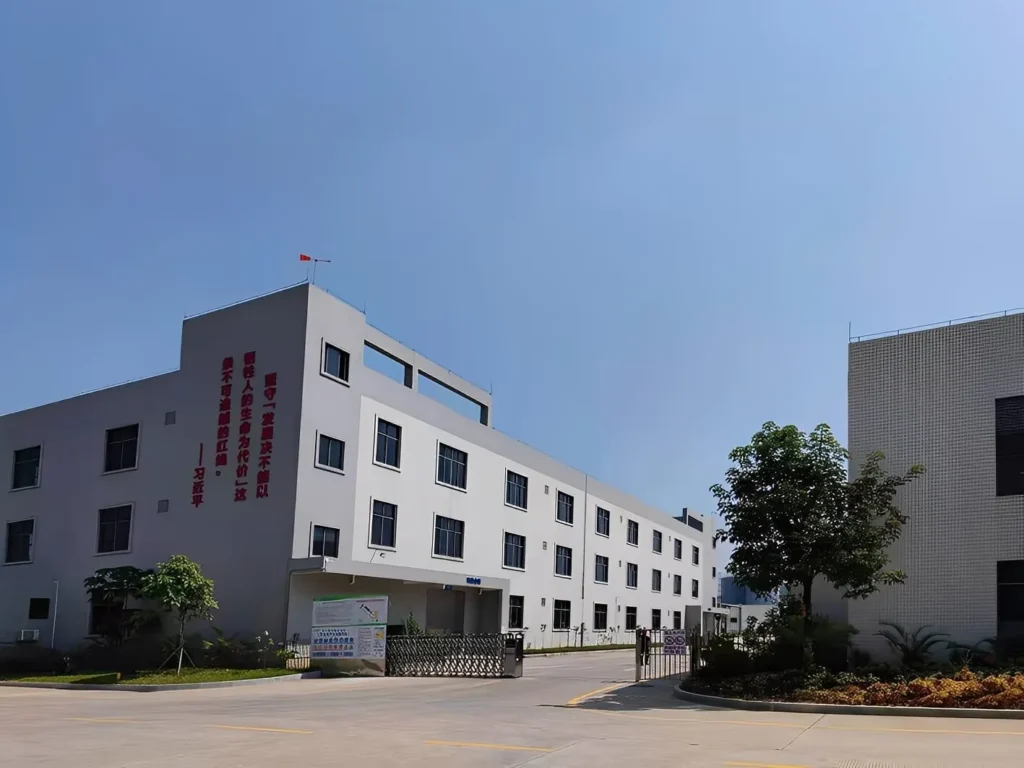
cURL Too many subrequests.
cURL Too many subrequests.
cURL Too many subrequests. cURL Too many subrequests. cURL Too many subrequests.
cURL Too many subrequests. ཏུང་ཧོང་རྫས་འགྱུར་གྱི་ cURL Too many subrequests.
cURL Too many subrequests.
📧 གློག་འཕྲིན། dohollchemical@gmail.com
📱 واٹس ایپ: +86 139 0301 4781
cURL Too many subrequests.
 Tibetan
  English (United States)
  Russian
  German
  Turkish
  Spanish (Spain)
  Arabic
  French
  Vietnamese
  Indonesian
  Danish
  Japanese
  Bengali
  Greek
Greek  Tahitian
  Uzbek
Uzbek  English (Canada)
  Afrikaans
  Spanish (Venezuela)
  Bulgarian
  Assamese
  Cebuano
  Amharic
  South Azerbaijani
  Belarusian
  Czech
Czech  Spanish (Argentina)
  Catalan
  Italian
  Moroccan Arabic
  German (Austria)
  Spanish (Chile)
  Ukrainian