
Launching a new production line is a major investment — and selecting the right chemicals can make or break its success. Phosphate esters, known for their versatility and performance, are used everywhere from coatings and lubricants to textiles and hydraulic systems. The key is matching the right ester type to your process and performance goals.
Choosing the right phosphate ester depends on your production line’s purpose, operating conditions, and compatibility with other materials — balancing fire resistance, lubrication, surfactancy, and environmental compliance.
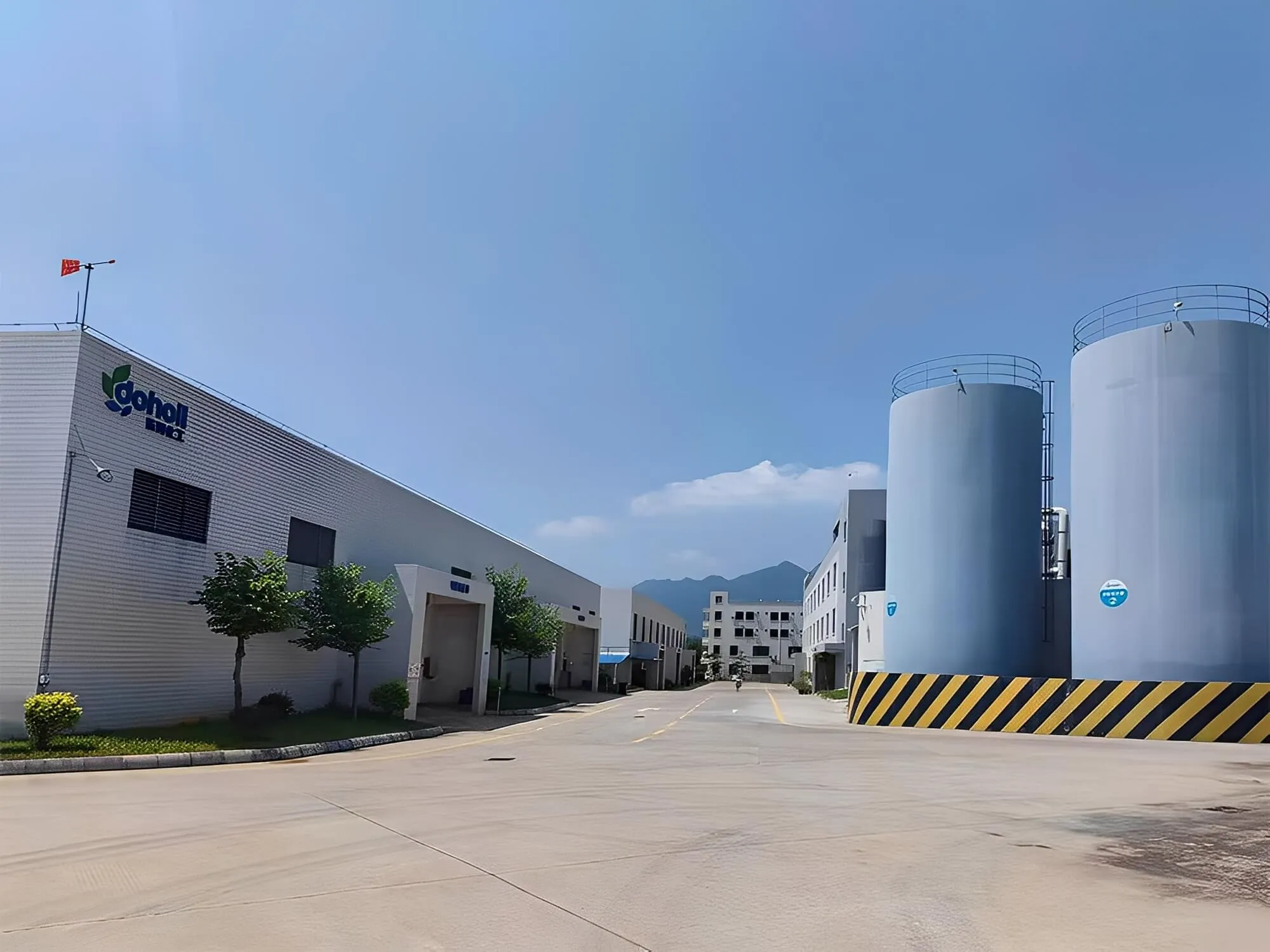
Whether you’re designing a hydraulic fluid facility, a polymer plant, or a textile coating line, this guide will help you select phosphate esters that deliver both reliability and efficiency.
1. Why Phosphate Esters Are Critical for Modern Production Lines
Phosphate esters are organic phosphorus compounds that combine thermal stability, flame retardancy, lubrication, and surface activity in a single molecule. This makes them indispensable in industries that demand high performance under stress.
Key advantages include:
- Excellent high-temperature and oxidative stability
- Non-flammable or self-extinguishing behavior
- Strong metal surface affinity (anti-wear and anti-corrosion)
- Good emulsification and dispersing capacity
- Compatibility with a wide range of polymers and solvents
For new production lines, using the right phosphate ester can improve product performance, reduce maintenance downtime, and ensure compliance with environmental and safety standards.

2. Understand Your Production Goal and Chemical Environment
The first step in choosing the right phosphate ester is understanding what your line produces and under what conditions it operates.
Step 1: Define the Application Category
| Production Line Type | Primary Function of Phosphate Ester | Key Property Required |
|---|---|---|
| Hydraulic Fluid System | Fire-resistant base fluid | Thermal stability & oxidation resistance |
| Lubricant Blending Plant | Anti-wear additive | Surface film strength |
| Textile or Coating Line | Surfactant and wetting agent | Emulsification & penetration |
| Plastic & Polymer Processing | Flame retardant & plasticizer | Compatibility & thermal endurance |
| Metalworking or Surface Treatment | Corrosion inhibitor | Acid strength & reactivity |
| Extraction or Solvent Process | Metal complexing agent | Selectivity & purity |
Step 2: Evaluate Operating Conditions
- Temperature: Continuous exposure above 200°C favors triaryl or polymeric esters.
- Chemical Environment: Acidic or basic systems may require neutralized or stabilized esters.
- Substrate Material: Aluminum and steel benefit from acid phosphate esters (corrosion protection).
- Environmental Requirements: For green manufacturing, use halogen-free or bio-based phosphate esters.
3. Know the Main Types of Phosphate Esters and Their Strengths
Each ester family serves different industrial roles — understanding their chemistry ensures better decision-making.
a. Triaryl Phosphate Esters — The High-Temperature Specialists
Examples: Triphenyl Phosphate (TPP), Tricresyl Phosphate (TCP), Isopropylated Triphenyl Phosphate (IPPP)
Features:
- Excellent oxidation and heat resistance
- Non-flammable and self-extinguishing
- Ideal for hydraulic and turbine systems
Use In:
Aviation fluids, compressor oils, and heavy machinery lubricants.
Recommended for:
Production lines involving fire hazards, high-pressure systems, or power plants.
b. Trialkyl Phosphate Esters — The Flexible Solvents and Plasticizers
Examples: Tributyl Phosphate (TBP), Triethyl Phosphate (TEP), Tris(2-ethylhexyl) Phosphate (TEHP)
Features:
- Low viscosity and high solvency
- Good compatibility with polymers and solvents
- Moderate flame retardancy
Use In:
Plasticizer production, extraction processes, and coatings.
Recommended for:
Plastic, polymer, or solvent-based production lines needing smooth flow and processing flexibility.
c. Alkyl Aryl Phosphate Esters — The All-Round Industrial Grade
Examples: Isopropylphenyl Phosphate (IPPP), Butylphenyl Phosphate (BPP)
Features:
- Balanced fire resistance and fluidity
- High load-carrying capacity
- Good oxidation stability
Use In:
Hydraulic oils, lubricants, and coating systems.
Recommended for:
Mixed-operation production lines that require both lubricity and fire protection (e.g., metal processing plants).
d. Acid Phosphate Esters — The Surface Chemistry Experts
Examples: Mono- or Di-Phosphate Esters of Fatty Alcohols or Ethoxylates
Features:
- Excellent emulsification and wetting power
- Corrosion inhibition on metals
- Can be neutralized to form mild surfactants
Use In:
Textile dyeing, coating, and metal treatment processes.
Recommended for:
Textile, coating, or chemical cleaning lines where surface control and mild acidity are key.
e. Polymeric and Bio-Based Phosphate Esters — The Sustainable Frontier
Examples: Polyphosphate esters, bio-derived phosphate esters
Features:
- High molecular weight and low volatility
- Superior thermal resistance and environmental compliance
- Excellent long-term oxidation stability
Use In:
Fire-resistant lubricants, high-end coatings, and eco-certified applications.
Recommended for:
New-generation production lines emphasizing sustainability and longevity.
4. Match Ester Chemistry to Process Compatibility
Choosing the right phosphate ester also means considering its interaction with other ingredients and equipment.
Compatibility Matrix
| Process Medium | Recommended Ester Type | Reason |
|---|---|---|
| Water-Based System | Acid or neutral phosphate esters | Emulsifiable and pH-tunable |
| Oil-Based System | Trialkyl or alkyl aryl phosphate esters | Good solubility and stability |
| Solvent-Based Coatings | Triaryl or mixed phosphate esters | Non-volatile and thermally stable |
| Metal Contact Process | Acid phosphate ester | Provides corrosion protection |
| High-Temperature System | Triaryl or polymeric phosphate esters | Superior heat resistance |
Pro Tip:
Always perform compatibility testing with your base oils, resins, or surfactant systems before scaling up to full production.
5. Assess Key Performance Parameters Before Final Selection
When comparing phosphate ester options, focus on measurable parameters that directly impact your process.
| Property | Target Value | Importance |
|---|---|---|
| Acid Value (mg KOH/g) | ≤ 0.1 | Prevents corrosion and instability |
| Viscosity (cSt @ 40°C) | 10–80 | Affects flow and processing ease |
| Thermal Stability | >250°C | Ensures long service life |
| Flash Point | >220°C | Safety under heat or pressure |
| Color (APHA) | <100 | Ensures visual consistency |
| Phosphorus Content (%) | 7–10 | Correlates to flame retardancy and wear protection |
Testing Tip:
Always request COA (Certificate of Analysis) and TDS (Technical Data Sheet) from your supplier before procurement.
6. Prioritize Safety, Environmental, and Regulatory Compliance
New production lines often face strict environmental regulations. Ensure that your phosphate ester supplier provides compliant materials.
Checklist:
- ✅ REACH and RoHS certification
- ✅ Low toxicity and halogen-free formulation
- ✅ ISO 9001 and ISO 14001 certification
- ✅ Safety Data Sheet (SDS) with GHS labeling
- ✅ Support for sustainable or biodegradable alternatives
Bio-based phosphate esters are now preferred in many jurisdictions due to their reduced VOCs and lower ecological footprint.
7. Collaborate with Your Supplier for Custom Formulations
Every production line is unique. The ideal phosphate ester might not exist off-the-shelf — but it can be customized.
Work with suppliers who can:
- Adjust ester composition for viscosity or solubility
- Optimize acid value and phosphorus ratio for your formulation
- Offer on-site support for blending and performance testing
- Scale up production from pilot to full volume efficiently
For instance, Sunzo Foundation Engineering provides integrated services from design to testing, ensuring phosphate ester systems are optimized for hydraulic fluids, coatings, and surfactant applications — all tailored to your process parameters.
Dive Deeper: Common Mistakes When Choosing Phosphate Esters
- Ignoring temperature and process conditions.
Using trialkyl esters in a high-heat environment leads to early degradation. - Overlooking compatibility.
Acid esters may react with amines or metal ions if not neutralized. - Underestimating environmental standards.
Non-compliant additives can delay plant certification. - Buying based on price instead of performance.
Cheaper grades often have unstable acid values or inconsistent color, leading to costly downtime.
Solution: Always validate your ester with lab testing before plant-scale integration.
Dive Deeper: Emerging Trends for New Production Lines
- Halogen-Free Flame Retardancy: Replacing brominated agents with phosphate-based systems.
- Hybrid Additives: Combining phosphate esters with boron or silicone for multi-functionality.
- Bio-Based Manufacturing: Using renewable alcohols and phosphoric acids.
- Digital Process Monitoring: Tracking ester stability via automated sensors in lubricant or surfactant lines.
These innovations ensure better safety, cleaner production, and compliance with evolving global standards.
Final Thoughts
Selecting the right phosphate ester for a new production line isn’t about choosing the “most advanced” chemical — it’s about selecting the one that fits your process, environment, and performance goals.
By understanding your operating conditions, testing compatibility, and working closely with a capable supplier, you can ensure your phosphate ester delivers consistent quality, efficiency, and regulatory confidence.
Contact Sunzo Foundation Engineering
For phosphate ester recommendations, formulation support, and industrial application guidance:
📧 Email: dohollchemical@gmail.com
📱 WhatsApp: +86 139 0301 4781
 English (Canada)
  English (United States)
  Russian
  German
  Turkish
  Spanish (Spain)
  Arabic
  French
  Vietnamese
  Indonesian
  Danish
  Japanese
  Bengali
  Greek
Greek  Tahitian
  Uzbek
Uzbek  Afrikaans
  Spanish (Venezuela)
  Bulgarian
  Assamese
  Tibetan
  Cebuano
  Amharic
  South Azerbaijani
  Belarusian
  Czech
Czech  Spanish (Argentina)
  Catalan
  Italian
  Moroccan Arabic
  German (Austria)
  Spanish (Chile)
  Ukrainian